
Guide to Textured Paint: 9 Types of Texture Paint Finishes
September 14, 2023
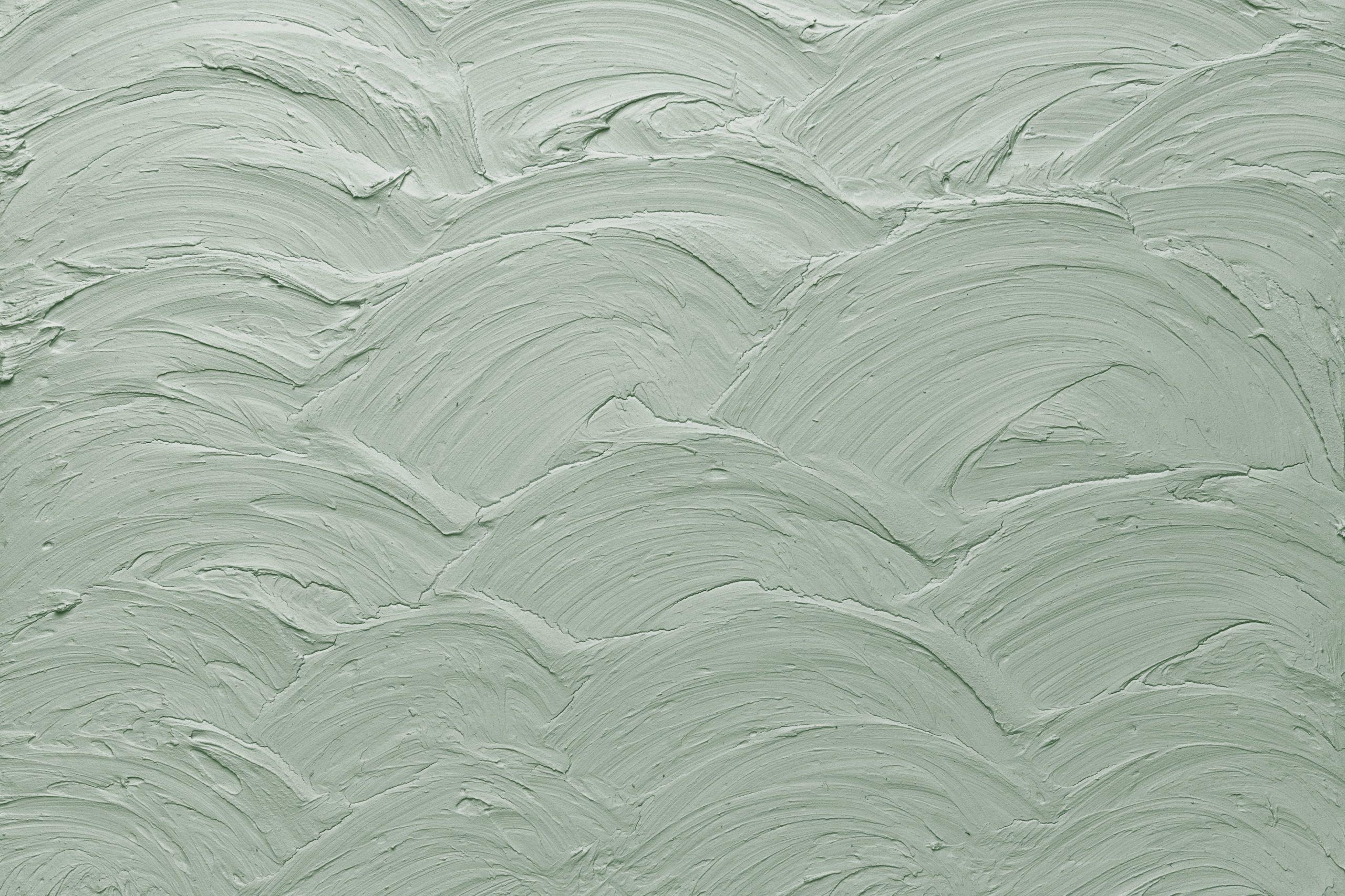
When it comes to painting the walls of our property, we always want it to look up to date. Textured paint can be a good option for transforming the drywall of your home or commercial space. It can upgrade the whole look by adding depth, character, and a unique visual appeal. Whether you’re looking to conceal imperfections, create a rustic ambience, or simply infuse your interior with creativity, understanding the diverse world of textured paint options is the key.
But not every texture type is suited to every space. To select the right texture that complements the overall theme of your house, you should first understand the types of textured paint for walls. So, to make your texture paint selection journey easier, we have made a list of popular finishes that are liked by many.
What is Texture Paint?
Texture paint is an interesting technique to give your living space life and depth. This isn’t just any regular paint; it’s a unique variety of wall paint that creates a surface that is tactile and has an enticing pattern.
As the name implies, textured wall paint adds a certain amount of roughness and texture to the wall’s surface, giving it a distinctive appearance and feel. It can add abstract patterns, or it can imitate the appearance of materials like stone, wood, or cloth.
Textured Paint Guide for Every Homeowner in Sydney
Here, we will introduce you to 9 major types of textures and discuss each to help you choose the right one for your walls.
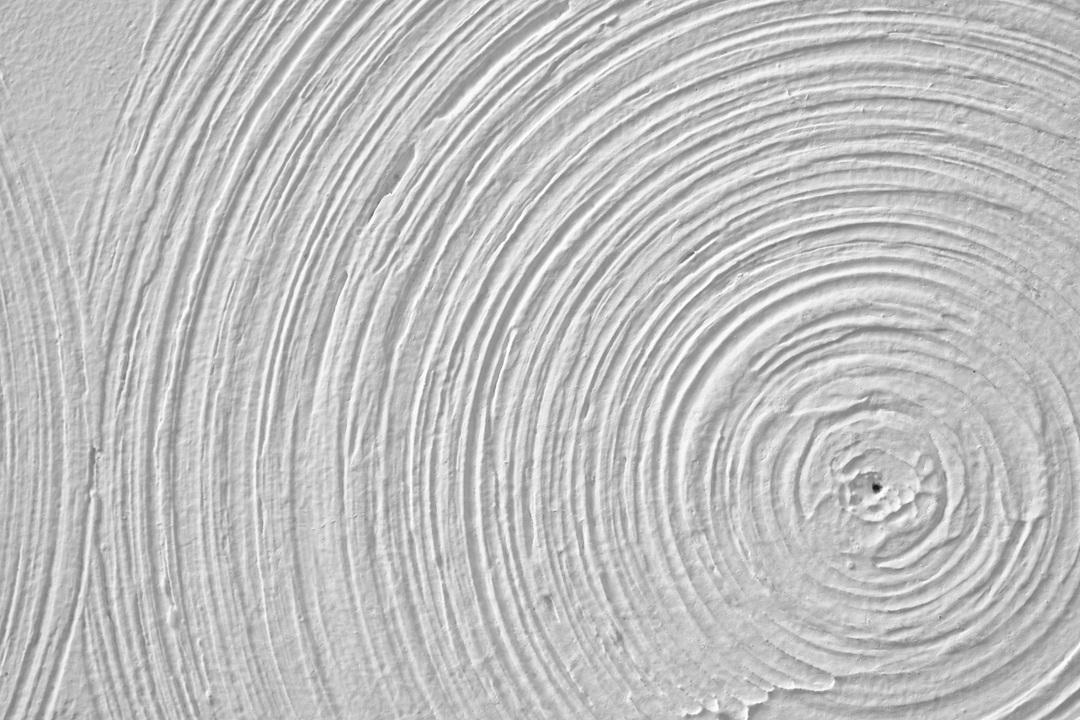
1. Sand Swirl
The paint for achieving this surface contains fine sand particles or sand-like additives that create a granular finish when applied to the wall. It’s commonly applied using a roller or brush. Also, every row of swirls covers the bottom of the last row. So, always start at the top of the wall, and while doing a ceiling, start on one end. If you use a fat brush for doing swirls, you won’t need a sprayer; it won’t leave roller lines as well.
2. Popcorn
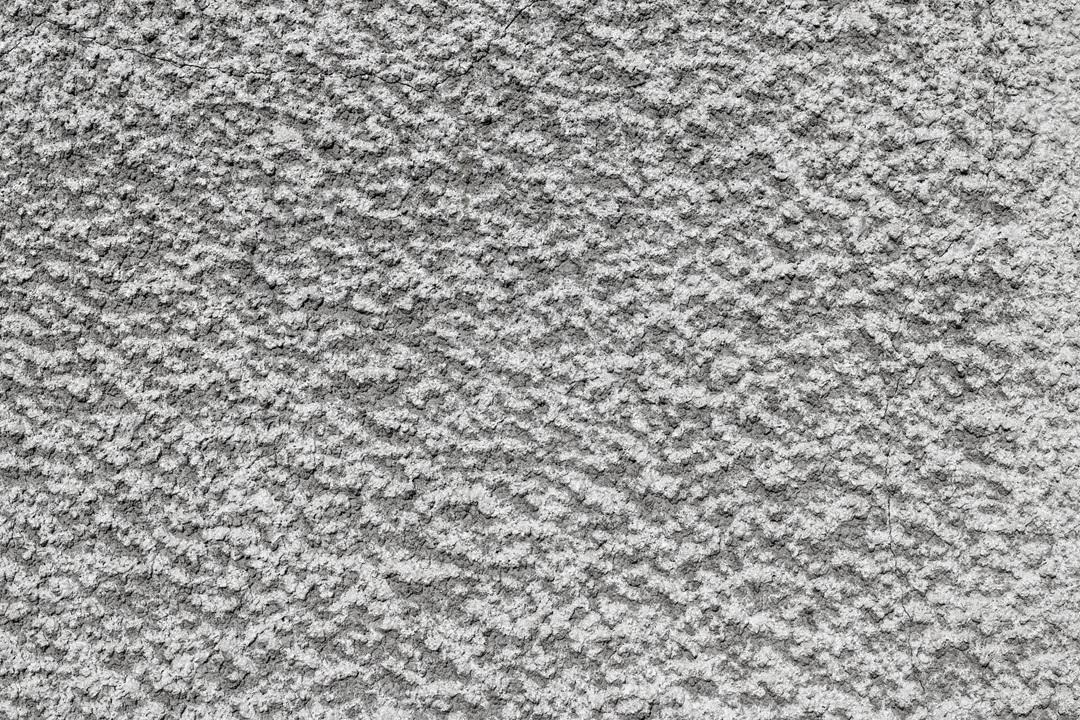
Popcorn texture is mixed with water to expand small polystyrene chips. It creates a highly textured, bumpy surface resembling popcorn, and that’s why it is named after it. You can consider it to hide finished drywall defects. It can be used for both ceilings and walls and applied using a hopper gun or roller. Styrofoam and other materials are added to the drywall mud mixture to have a puffy appearance. It made popcorn texture really hard to remove, so if you plan to apply and remove it later, think twice.
3. Slap Brush
It creates a raised, patterned consistency on the wall when the brush is “slapped” against it. This is achieved using a stippling brush with stiff bristles. You can stamp the mudded surface with a slap brush, starting from one side of the area to the other. It dries pure white and looks great. Stamp only once into fresh mud to get the best result, but you can overlap the pattern as desired. Also, while doing an old ceiling, mask off the walls.
4. Orange Peel
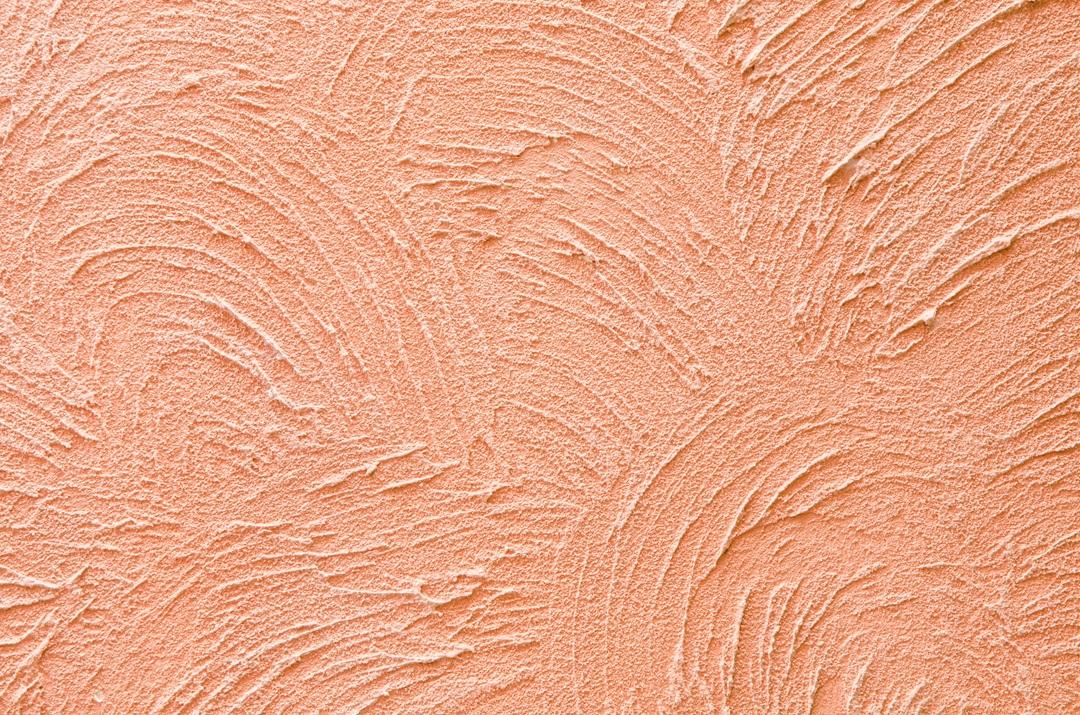
This appearance resembles the surface of an orange peel. It is a great choice to enhance the durability of your walls. The extra layer of plaster can protect them from cracks and dents. Orange peel is a “splatter” type texture that you can create using a spray gun. It involves spraying plaster in a pattern over the walls, and the grain size can be adjusted by changing the nozzle or roller type. You need walls sanded, cleaned, and primed to get the texture to stick in a way that’s smooth and free of dirt beneath.
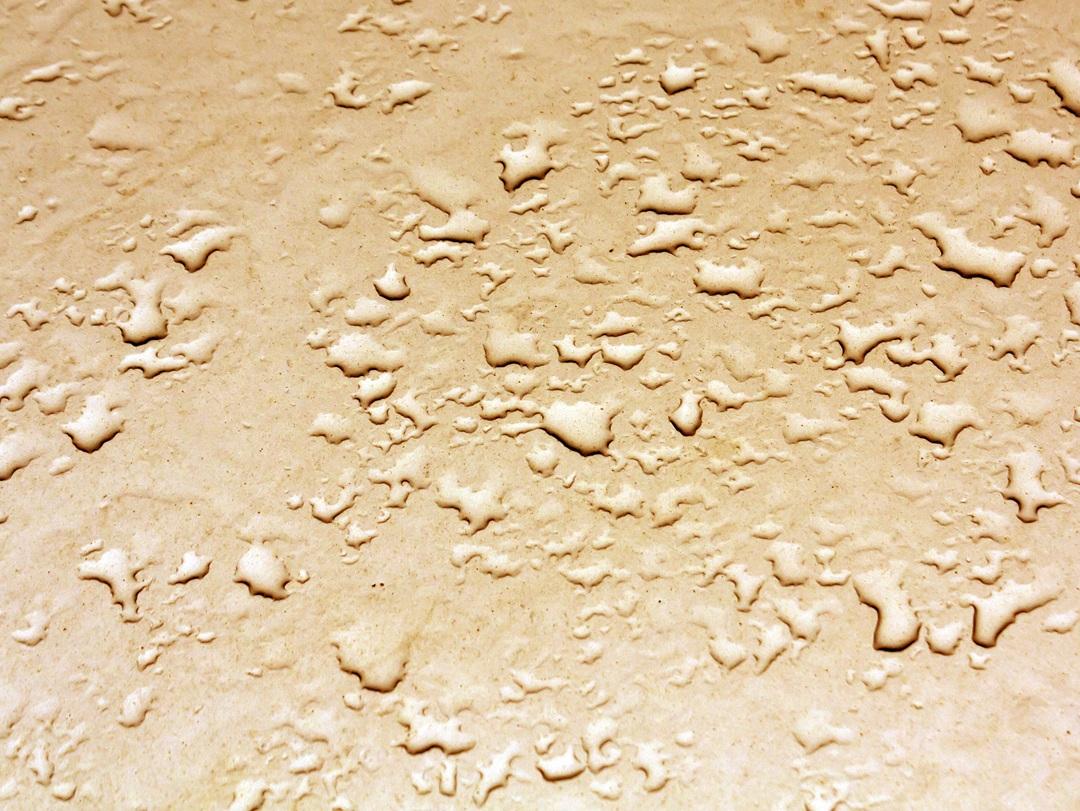
5. Hawk and Trowel
This texture is a hand-applied drywall finish characterised by its random, swooped patterns. It’s specially created using a flat hawk with a handle underneath and a curved trowel. It is named after the tools hawk and trowel used for the texture. The Hawk is a flat table-like plate with a handle beneath. Plaster is placed on the centre of the flat plate in a mound, and a rectangular-shaped trowel is used to apply the plaster to the readied wall. Because of these tools, the Hawk and Trowel texture tends to have more straight-line designs. Also, this interior wall texture has several layers of texture rolling over one another.
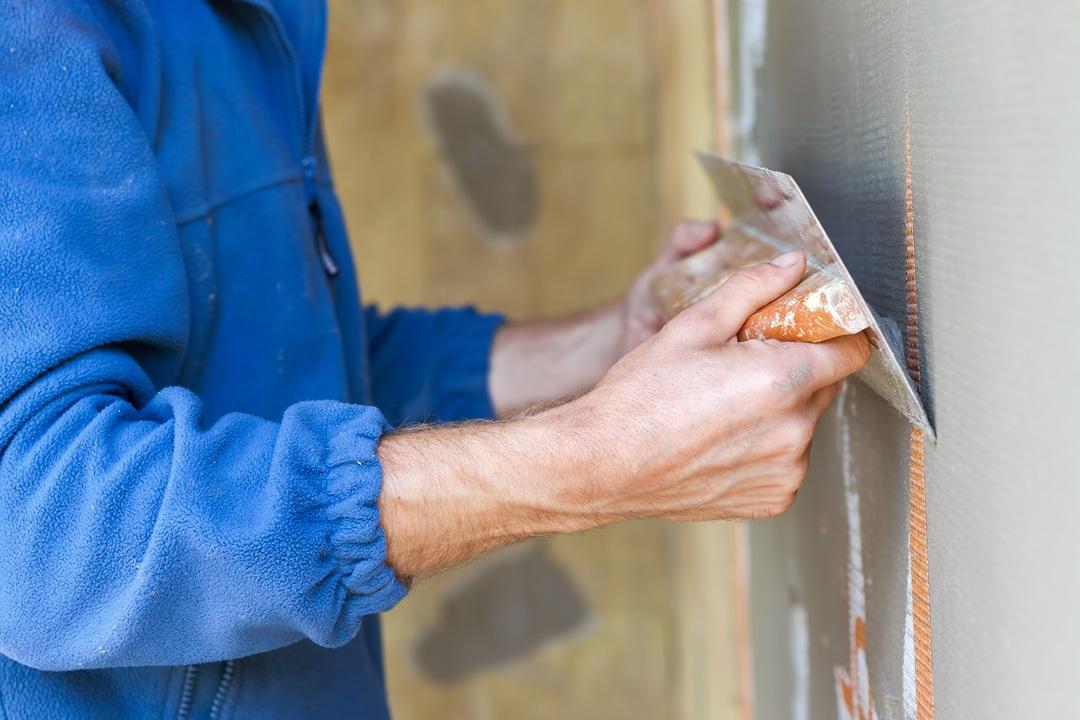
6. Knockdown
A common characteristic of this surface is creating a mottled or stippled appearance on the wall. It is applied using a trowel or spray gun to get the actual finish. This flattened finish and its texture helps to hide minor surface imperfections. Prep the surface before you apply the drywall. To get a professional knockdown texture drywall finish, use a stiff-bristled, crows-foot stomp brush and dab or stomp the brush into the mud. When applying knockdown drywall, keep the sprayer at a consistent speed and the right spray pressure. Use a flexible blade, then knock down the compound gently and quickly.
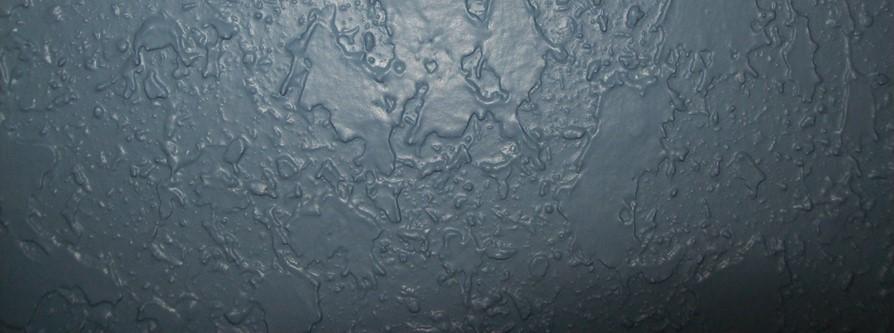
7. Skip Trowel:
This particular type is quite unique as it forms an irregular, hand-trowelled appearance on the wall. It is done by spreading a thin layer of paint and then lightly trowelling it to create random patterns. The skip trowel technique involves applying an additional, thin layer of drywall mud on the surface by using a trowel instrument. A second clean trowel is used to shape the drywall clay layer, creating an uneven pictorial style for the pattern. This type of wall texture is called the skip trowel technique because the design is carved by irregularly skipping the trowel tool over the layer of drywall clay.
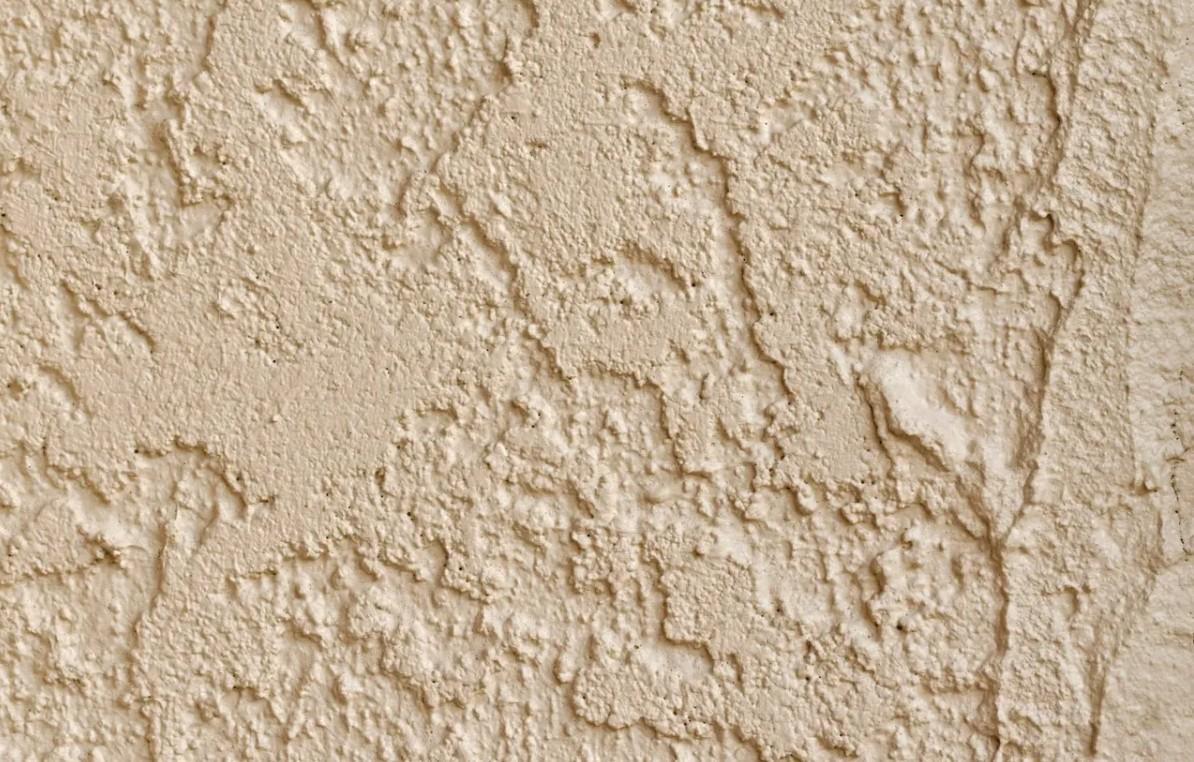
8. Splatter Knockdown
It’s a technique that combines two popular methods: splatter and knockdown. Sometimes, it can be mistaken for the orange peel texture. In the first step, a texture is splattered using a sprayer; then, a curved drywall knife is used to knock down the peaks of the splatter. You need the compound mixture set for a while. Don’t knock down it too soon; the texture will smear and appear runny. Also, if the compound sets for too long on the wall, small dried-out pieces will create unsightly lines on the surface. This texture is often used in hotel rooms as an alternative to wallpaper.
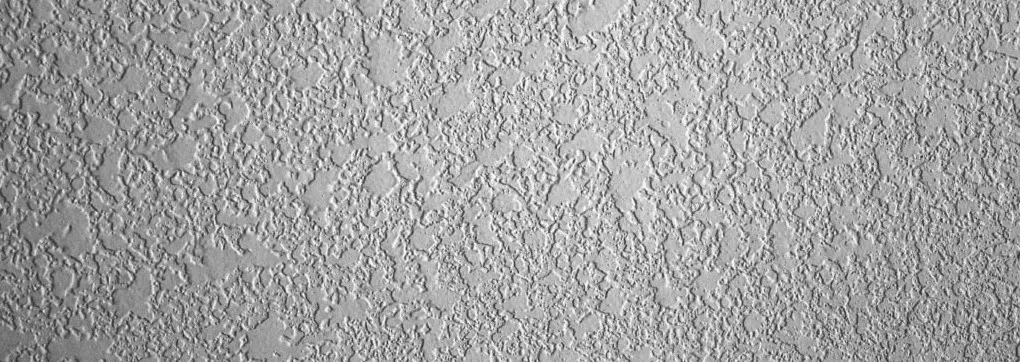
9. Metallic Texture:
The paint for this appearance contains metallic pigments that create a shimmering effect on the wall. To add a touch of glamour, this is a perfect choice. For this particular texture, one coat is never enough, as you might find visible brush strokes. But trust the process and apply a second coat; wait until it dries, and you will get a shimmering finish at the end. It especially looks best when used to create an accent wall, as it can add a touch of sophistication to the room. If you want any specific walls to look dramatic, ask your expert painter in Sydney to go for a metallic texture.
What Paint Texture Is Best for Walls?
It is not fair to claim a single textured paint to be the best one because, based on requirements and uses, the choices might vary. For hiding imperfections, knockdown and popcorn texture would work well, and for creating visual interest in your desired area, a swirl or metallic texture is great. Other than that, usually in high-traffic areas, it’s better to avoid highly rough textures as smoother textures are comparatively easy to clean and maintain.
Conclusion
Though every texture has uniqueness, it solely depends on the overall style and ambience you want to achieve in your space. No matter what finish or paint you choose, always select the best painting services in Sydney to get the best outcome. Priority One Coatings can be the top choice here as they have been serving numerous painting projects in Sydney for over 38 years. Their professional residential painters in Sydney use high-quality products and advanced techniques to deliver the best textured paint finishes.
So, to give your residence or workplace a complete make-over by the best Sydney painting services, contact us today.

Frequently Asked Questions
What is the difference between textured paint and regular wall paint?
Regular wall paint creates a smooth, flat surface with no tactile quality — its finish is purely visual. Textured paint, by contrast, adds a physical dimension to the wall surface by incorporating additives such as sand particles, polystyrene chips, or metallic pigments, or through the use of specialist application tools and techniques like trowels, brushes, and sprayers. The result is a surface with depth, pattern, and character that can imitate materials like stone, timber, or fabric, or create entirely abstract visual effects. Textured paint is also widely used to conceal surface imperfections such as minor cracks, dents, or uneven drywall.
Which textured paint finish is easiest for a DIYer to apply?
Sand swirl and slap brush textures are among the more accessible options for confident DIYers. Sand swirl can be applied with a fat brush using consistent sweeping motions and does not require a sprayer. Slap brush texture uses a stippling brush to stamp a pattern into wet drywall compound — the technique is forgiving because overlapping the pattern is acceptable and even desirable.
Metallic texture is also DIY-friendly, provided you apply a minimum of two coats and allow each to dry fully before assessing the result. Techniques like orange peel and splatter knockdown require a spray gun and more experience to achieve a consistent finish, making them better suited to professional application.
Which textured paint finish is best for hiding wall imperfections?
Knockdown and popcorn textures are the most effective for concealing surface imperfections in drywall. Both create a mottled, multi-layered surface that draws the eye away from cracks, dents, and uneven patches. Orange peel is also highly effective — the additional layer of plaster it provides actively strengthens the wall against minor cracks and dents rather than simply masking them. Skip trowel, with its irregular, hand-applied appearance, is another popular choice for walls that need visual interest as well as imperfection coverage.
Can textured paint be applied to ceilings as well as walls?
Yes — several of the nine textures covered in this guide are suitable for ceiling application. Popcorn texture was historically one of the most popular ceiling finishes in homes from the 1960s and 70s, applied using a hopper gun or roller. Sand swirl and slap brush textures are also used on ceilings, with slap brush requiring the walls to be masked off first to protect them from the stamp pattern. However, it is worth noting that popcorn ceilings installed before 1980 may contain asbestos and should be professionally tested before any work is done.
Is textured paint suitable for high-traffic areas like hallways and kitchens?
In high-traffic areas, the choice of texture requires some consideration. Highly rough or deeply patterned textures — such as heavy knockdown or popcorn — can be difficult to clean because dirt and grime become trapped in the recesses of the surface. Smoother textured finishes, such as orange peel or a light skip trowel, are far more practical in kitchens, hallways, and bathrooms, as they add visual interest while remaining relatively easy to wipe down. For areas exposed to moisture, always ensure the correct paint type — satin or semi-gloss — is used over the texture base.
What tools are needed to apply textured paint?
The tools required depend entirely on the texture you are applying. Sand swirl needs a fat brush or roller. Slap brush and stippling textures require a specialised stippling brush with stiff bristles. Hawk and trowel texture uses a flat-plate hawk and a rectangular-bladed trowel. Orange peel and splatter knockdown require a spray gun or hopper, with the grain size adjusted by changing the nozzle.
Skip trowel uses two trowels — one to apply the compound and a clean second trowel to shape and skip the pattern. Knockdown textures use a crows-foot stomp brush followed by a flexible, wide-bladed scraper to flatten the peaks. Having the right tool for each specific technique is non-negotiable — using the wrong tool will produce a completely different result from the one intended.
Can textured paint be painted over or removed later?
Most textured finishes can be painted over, provided the surface is clean, stable, and properly primed before a new topcoat is applied. However, it is important to note that painting over a texture does not remove it — the pattern will remain visible beneath the new coat. Removing textured finishes is significantly more labour-intensive. Popcorn texture in particular is noted for being very difficult to remove once applied, especially since the inclusion of polystyrene chips makes the compound dense and hard to scrape.
If you are considering applying a textured finish and are uncertain whether you will want it removed in the future, this is an important factor to weigh before committing to the technique.
Which textured finish works best as a feature wall?
Metallic texture is widely regarded as the most striking choice for a feature wall application. The shimmering, light-reflective quality of metallic pigments adds drama and sophistication to a single wall, particularly in living rooms, bedrooms, and dining areas, without overwhelming the rest of the space.
Hawk and trowel, skip trowel, and splatter knockdown are also popular feature wall choices for homeowners seeking an organic, artisan aesthetic rather than a glamorous one. The right choice ultimately depends on the overall style of the room and the atmosphere you want to create.
Should I hire a professional to apply textured paint, or can I do it myself?
Some textured finishes — particularly brush-applied and trowel-applied techniques — are achievable for a careful and patient DIYer on smaller surfaces. However, spray-applied textures such as orange peel, knockdown, and splatter knockdown require specialised equipment and a level of technique that is difficult to achieve without experience. Inconsistent spray pressure, incorrect nozzle selection, or working too slowly can result in an uneven pattern that is difficult to correct once the compound begins to set.
For large surfaces, statement spaces, or any finish where a premium result is expected, engaging an experienced professional painter will consistently deliver a more uniform and durable outcome. Priority One Coatings has over 38 years of experience applying decorative and textured finishes across residential and commercial properties in Sydney — contact the team for expert advice or to arrange a free quote.
Image by rawpixel.com on Freepik