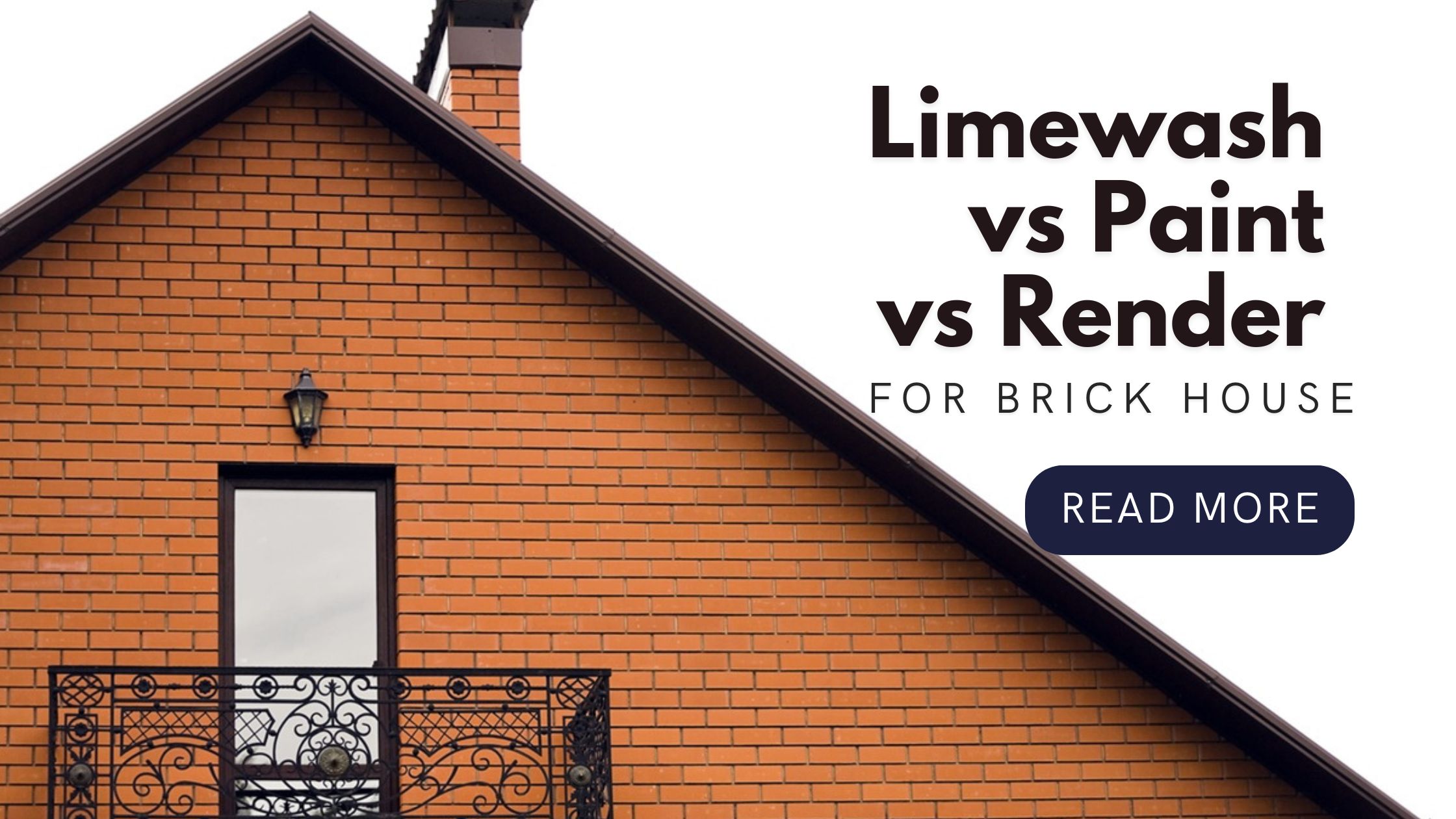
If you have existing stone or brick that you no longer like the colour of and wish to soften the appearance, you may have thought of several possibilities. For brick houses, the most common confusion arises when you ask yourself, ” Should I limewash, paint or render my brick?
To choose the right exterior finish for a brick surface, you, as a homeowner, first need to know about each option. In this guide, we will learn about three common finishes for brick and help you make more informed decisions for a brick house.
Limewash for bricks
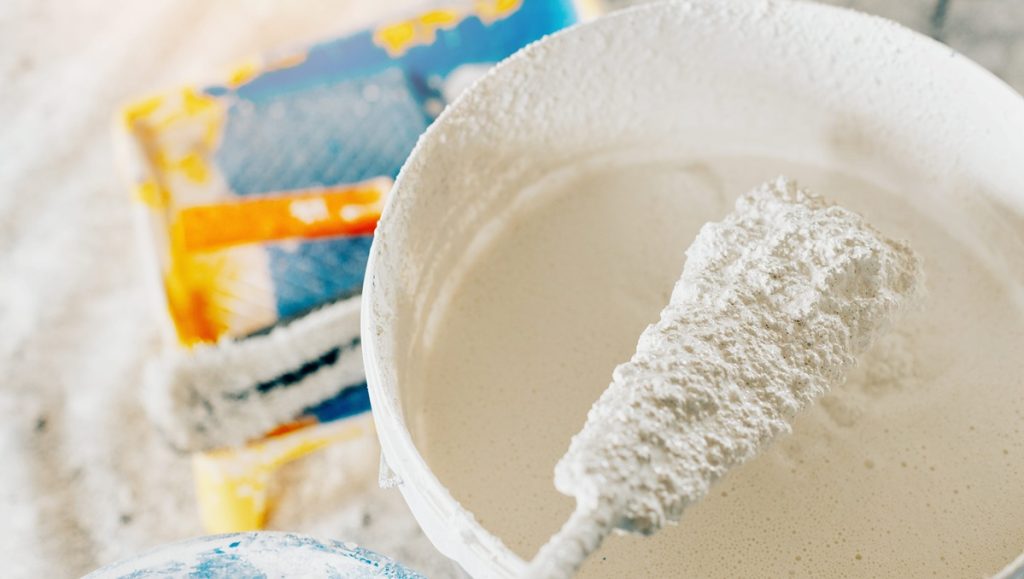
Limewash is a mixture of water and crushed, burned limestone that is used to make lime putty. When limestones are heated, their characteristics are altered, resulting in a softer, more absorbent substance that can be used on porous surfaces. Limewash produces a unique, smooth, and matte finish that gives it a more aged, natural appearance.
The most popular way to make limewash is to combine water and slaked lime or chalk. Other natural pigments are also added to some limewash mixtures. It truly has been used for generations on the exteriors of homes, giving the surfaces a gentle, white hue. Therefore, applying limewash on bricks can totally change the outside of a house.
A long-lasting covering that shields your surface from the weather is provided by a limewash finish. It also penetrates the brick and cannot peel off like paint. Many people use this approach for their concrete and stone walls in addition to their brick dwellings.
What are the pros of limewash?
Here’s a list of advantages of choosing the finish of limewash for your brick surface-
- Low Amount of VOC
Unlike paint, limewash doesn’t smell strongly and is less toxic. It also has trace amounts of volatile organic compounds (VOCs). Over time, it won’t peel or flake off because it’s non-film-forming. As it is breathable, moisture and water damage can be avoided, and the surface can “breathe.”
- Affordable and Accessible
Limewashing is accessible and reasonably priced as compared to other exterior options. The procedure is fairly easy, and you can find all the things you need at your neighbourhood hardware shop.
- Resistant to Weather
Homes that are often situated in areas with severe weather, such as rain and snow, may experience damage to their exteriors. Curb-side attractiveness will remain strong because limewash is resistant to these conditions and won’t chip or crack.
- Highly Alkaline
The high alkalinity of limewash sterilises your bricks to stop the growth of undesirable germs or even mould and mildew. Because of this, limewash is a great option for spaces like kitchens and bathrooms.
- Minimal Upkeep
A lime wash takes less upkeep than a painted wall, which needs touch-ups every year. After applying it, you can put it out of your mind and spend years enjoying your beautiful brick house.
What are the downsides of limewash?
- Inconsistencies in Batch
Several smaller batches of limewash will probably differ from one another. The mix will have minor changes that could alter the final product’s appearance.
- Not Suitable for Painted Bricks
Limewash will not stick to a painted brick that has already been coated because it penetrates the brick. For optimal results, always apply to brick surfaces that aren’t painted.
How long does limewash last?
Limewash typically lasts between five and ten years, although it’s crucial to periodically check on its condition. Fading or noticeable discolouration is an indicator that limewash may need to be reapplied.
Paint for bricks
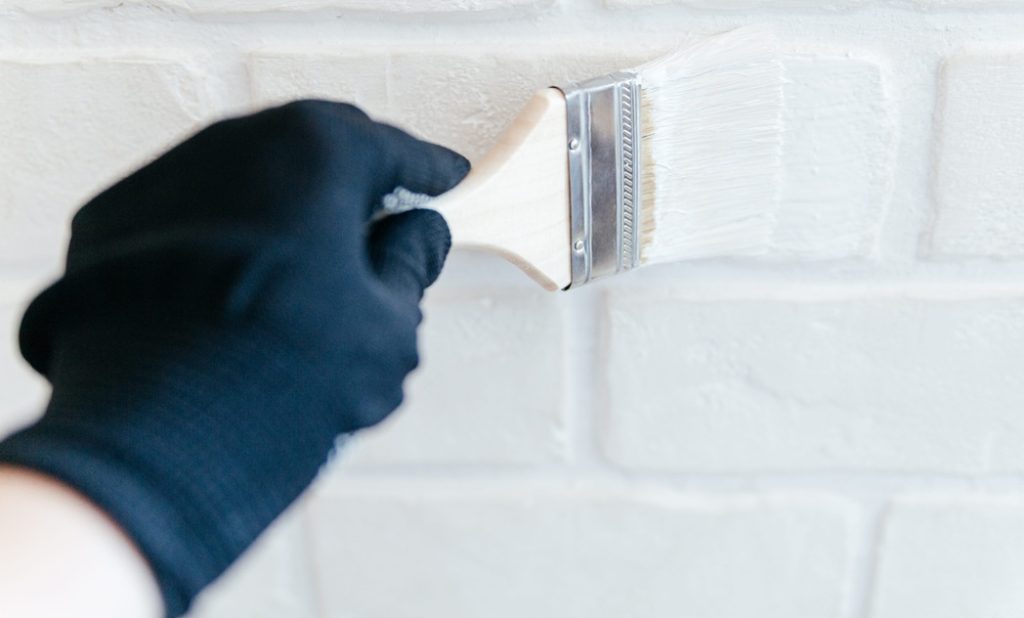
The first question that people often ask regarding this is, ” Can you paint bricks? Well, brick houses can be painted, and this practice is growing in popularity throughout Australia. Painting bricks gives you the chance to update and customise your home’s appearance, giving it a gorgeous, new look that can be well-preserved with the correct maintenance.
Masonry paint, which offers weather resistance and the capacity to stick to mineral surfaces, is specifically made to be applied to external walled surfaces like brick, stone, and concrete. These paints are usually water-based, though they can take many different forms.
If you’re determined to paint your brick, pick a highly experienced professional house painter in Sydney who is familiar with the particular needs of painting brick surfaces. To reduce the possibility of future issues, they can make use of the right supplies and ensure that the right preparation and application methods are used. When painting new construction, wait 28 days after brickwork is finished.
Is painting over brick a good idea?
Let’s look at the advantages of painting bricks to decide whether it’s a good idea or not-
- Offers extra safety
Because of being sensitive to the weather, bricks may gradually degrade. Paint helps your walls endure the severe effects of weather by forming a protective layer that keeps the surface from being further damaged.
- Improves the visual attractiveness
Painted brick gives your home’s exterior or interior a new texture that improves its allure. It’s particularly helpful if your brickwork has deteriorated over time, allowing it to regain its original beauty.
- Makes maintenance easier
Brick surfaces are easy to maintain after painting. By acting as a barrier, the paint lessens wear on the material and stops the growth of weeds, moss, and algae.
What are the negatives of painting brick surfaces?
Long-lasting transformation
It is really difficult to undo a paint job on bricks. Painters may need to work a lot to restore the bricks’ original look. Bricks naturally have a rough texture and multiple cracks. This feature makes it challenging to completely remove the paint.
Preparation requires time
Brick walls need to be thoroughly cleaned and prepared before painting, which can take a lot of time. Since not all products are appropriate for painting brick surfaces, finding the perfect materials for a high-quality finish may also need some work.
Possibility of fading and peeling
Particularly on exteriors, exposed brick walls are prone to dampness, which can lead to paint peeling or fading. Selecting paint and primer that are made to withstand damp environments is crucial. Moisture can be trapped in brick cracks and fissures, making the problem worse.
How long will the paint last on the bricks?
When the surface is cleaned properly and the paint is applied in good weather conditions, painted brick can often last from 5 to 10 years. After that, it might need to be repainted for a fresh look. However, the paint job will fade sooner in sunny climates where the UV radiation is intense compared to cooler locations.
Render the brick
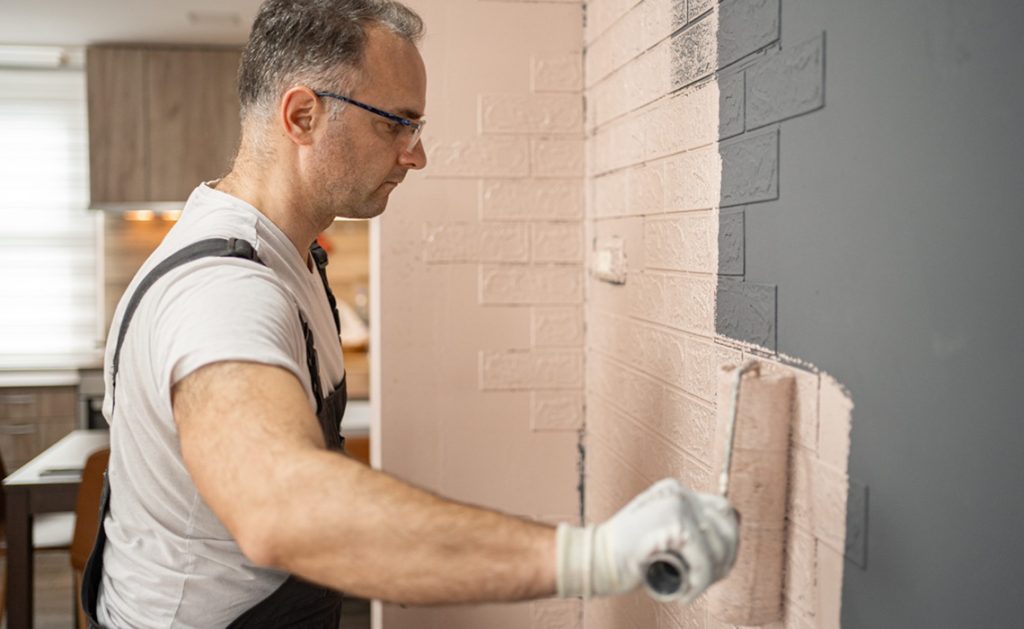
The kaleidoscope of colours and textures on a brick wall can be reduced to a uniform, neutral tone and texture by rendering it. However, if the wall is in an exposed area or the brick is excessively soft or friable, it could also be done to safeguard the brickwork.
What is rendered brick, then? A brick that has had a mixture applied to its outside face is known as a rendered brick. Although cement is typically used for this, other common rendering materials include acrylic or lime.
The wall becomes smoother as a result of this rendering, giving it a more contemporary and glossy appearance than typical brickwork.
Is rendering brick a good idea?
If you consider these perks, rendering the brick can be considered a good option-
- Design variability
It may be applied in a variety of ways and comes in a range of colours, textures, and styles to provide you with aesthetic choices.
- Modern aesthetic
The smooth, seamless appearance of rendered brick gives any commercial building a clean, contemporary design that is likely to appeal to employees as well as potential clients or customers.
- Additional protection
You may improve temperature control and prevent regular wear and tear through rendering, as it also adds a coat of insulation.
Are there any drawbacks to the render finish?
- Comparatively high-priced
Although cement renders are the industry standard and reasonably priced, other renders made of materials like acrylic may cost more.
- Planning approval
Depending on where your project is located, some locations may need council consent for external rendering. Make sure you understand the applicable council regulations if you intend to do an external brick render.
How long does render finish last on bricks?
You can expect a lifespan of roughly 20 to 40 years with contemporary acrylic-based render blends. The calibre of the work and the surface’s cleanliness prior to the render application would be considerations.
The longevity of traditional render mixes will be significantly reduced if the acrylic is removed and only the cement base is used. The cracking would be the cause of this. You should expect cracking between 8 and 14 years.
Which option is best: limewash, render or paint?
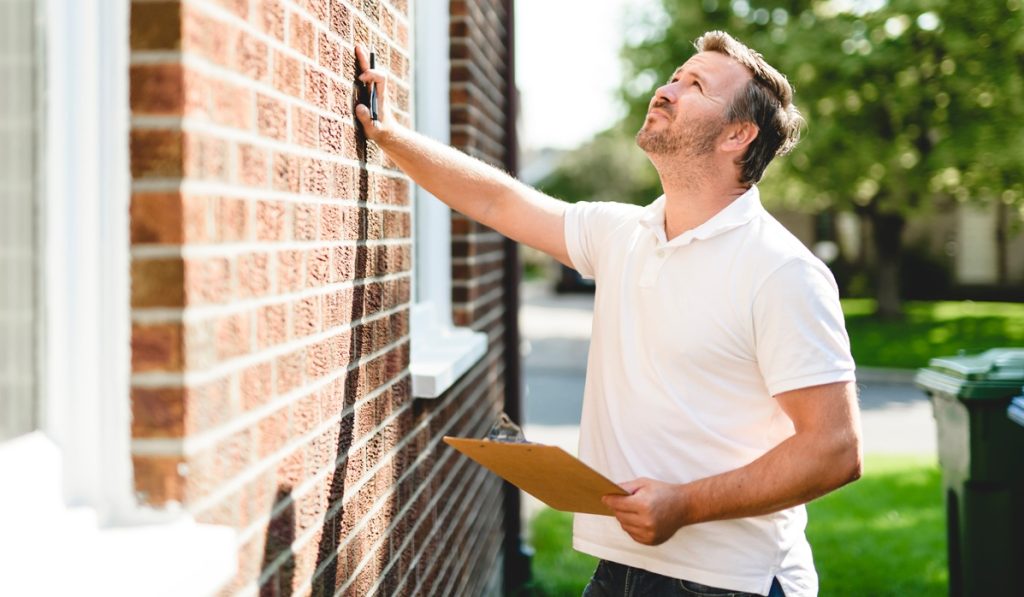
Here is a quick checklist for the homeowners in Sydney to help you decide which residential painting service you will need for your brick home-
| Your Primary Concern | Best Option | Why This works |
| Preserve the original brick look | Limewash | Enhances brick character without hiding texture |
| Improve breathability and moisture control | Limewash | Allows brick to release trapped moisture |
| Refresh the look without major renovation | Paint | Delivers a change with minimal disruption |
| Add colour flexibility | Paint | Offers the widest range of shades and finishes |
| Cover stained, mismatched, or patched bricks | Paint | Creates an even surface appearance |
| Achieve a modern or architectural finish | Render | Completely transforms the exterior |
| Hide structural or visual brick flaws | Render | Creates a new façade over the brick |
| Increase street appeal for resale | Paint or Render | Strong visual impact for buyers |
| Long-term exterior solution | Render | Durable finish when applied correctly |
| Heritage home update | Limewash | Respects the home’s original materials |
Conclusion
Now that you know all the pros and cons of paint, limewash and render, it is easy for you to make a clear decision on which finish to choose. If you already selected one or are still confused, you can take help from professionals like Priority One Coatings. After inspecting your house and understanding the condition of the surface, our team will provide the best residential painting service all over Sydney.