Planning to paint your house? Whether you’re refreshing a tired space or giving your home a complete makeover, the first step to success is understanding the lingo. The world of paints, colours, and tools is brimming with specialised terms that can leave even seasoned DIYers scratching their heads.
Painting isn’t just about a brush and roller or applying colour on a wall. It’s about proper prep like cleaning and sanding, and using the right tools for the job. To make sure you’re well-equipped for your next painting project, we’ve created this comprehensive glossary to walk you through everything you need to know.
From A to Z, this guide will help you decode the confusing jargon and shop smart at your local hardware store.
Acrylic Paint
Unlike oil-based paint, acrylic paint is water-based, making it easier to clean and quicker to dry. It’s a popular choice for interior and exterior walls because of its durability and low VOCs (Volatile Organic Compounds). Acrylic paint offers excellent colour retention and is resistant to moisture, making it a favourite among both beginners and pros.
Base Coat
Before you even think about adding colour, you’ll need a base coat to seal the surface. This first layer provides a suitable base that ensures your top coat, the final colour looks consistent and vibrant. The undercoat is especially important when you’re painting over a dark wall with a lighter shade or vice versa. Think of it as the primer’s partner in crime.
Brushes (Types and Uses)
It’s tempting to grab just any brush, but each type has its purpose. For example, angled brushes are great for corners and trim, while flat brushes work well for large, flat surfaces. Natural bristles are best for oil-based paints, and synthetic ones work beautifully with water-based options like latex and acrylic.
Cutting-In
Ever notice that neat line where the wall meets the ceiling? That’s the result of cutting-in—a technique where a small brush is used to paint edges and corners before using a roller on the larger sections. It requires the steady hand of professional painters in Sydney and a good quality brush.
Drop Cloth
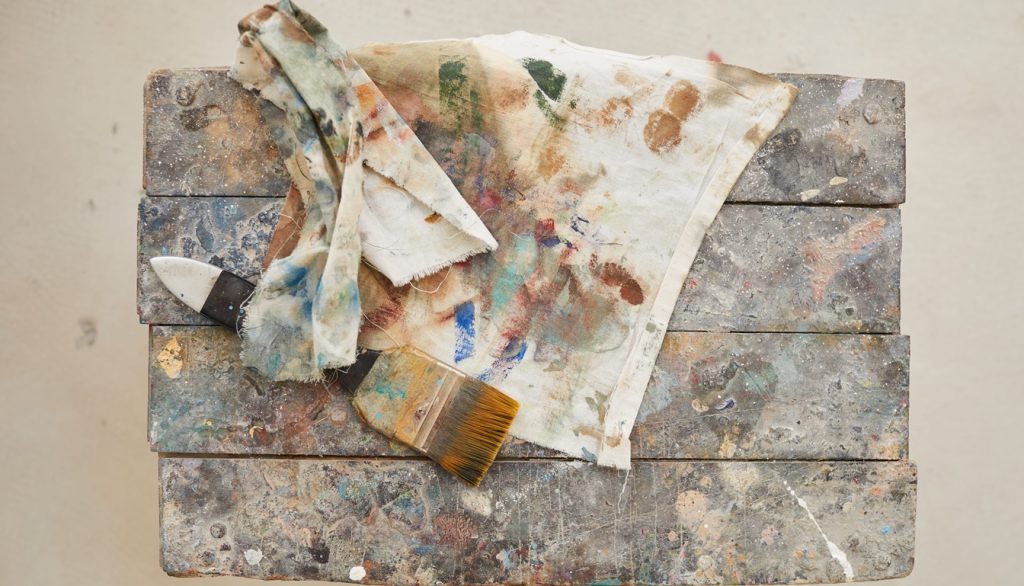
Picture this: You’ve finished your last coat and realise paint has splattered all over your hardwood floor. That’s what a drop cloth is for. Made of canvas or plastic, it protects your surfaces from spills, drips, and smudges. Don’t skip it.
Emulsion
When you’re painting interior walls, emulsion paint is your go-to. It’s water-based, low-odour, and easy to apply. It also comes in different finishes—matt, satin, and silk—depending on the look and feel you want.
Finish (Sheen Levels)
Glossy, satin, matte—these aren’t just fancy words. They describe the finish or sheen of your paint. Gloss paints reflect the most light and are easy to clean, making them ideal for kitchens and bathrooms. Matte finishes hide imperfections and suit living rooms and bedrooms. Satin falls somewhere in the middle and offers a subtle shine.
Filler
If your wall has cracks, holes, or dents, filler is your best friend. It smooths over imperfections so you start with a flawless surface. Make sure it dries completely before sanding and painting over it.
Grain Direction
For wooden surfaces, knowing the grain direction matters. Always sand and paint with the grain, not against it. This technique ensures a smoother finish and prevents streaks or drag marks.
Heat Gun
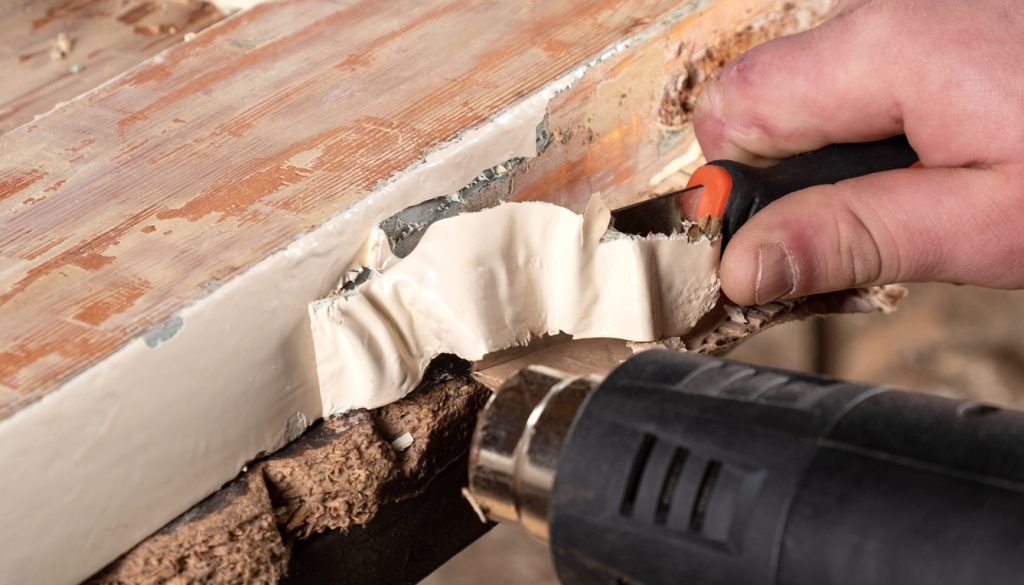
Sometimes, old paint just won’t budge with sanding or stripping gel. That’s where a heat gun comes in. It softens stubborn paint so you can scrape it off easily, but be careful—it gets very hot and needs to be handled with care.
Interior Paint
Not all paint is created equal. Interior paint is formulated for indoor use, offering easy application, low odour, and durability against scuffs and scratches. It also dries faster and generally has fewer fumes.
Joint Compound
Also called drywall mud, joint compound is used to patch holes or smooth seams in drywall. It’s essential for preparing your walls for a professional-quality paint job.
Knotting Solution
Ever painted over wood only to see a yellowish stain bleed through? That’s tannin from wood knots. A knotting solution seals those knots and prevents discolouration in your topcoat.
Latex Paint
Even though it’s called latex, this paint doesn’t actually contain latex rubber. It’s a water-based formula known for its quick drying time, low toxicity, and ease of use. Perfect for beginners and eco-conscious renovators.
Masking Tape

You’ve probably used masking tape to create clean edges, but did you know there are different types? Choose one that suits your surface—some tapes are gentler for delicate areas like freshly painted walls or wallpaper.
Nap (Roller Nap)
The nap is the thickness of the roller cover. A low nap (short fibres) is great for smooth surfaces, while a high nap is ideal for textured walls or ceilings. Using the wrong one could leave you with a blotchy finish.
Oil-Based Paint
Although it takes longer to dry and requires mineral spirits for cleanup, oil-based paint is incredibly durable. It’s often used for trim, doors, and high-traffic areas where scuffs and scrapes are common.
Primer
Don’t skip this crucial step. Primer creates a stable base for your paint, helps with adhesion, and covers stains or previous colours. It’s like preparing a canvas before painting a masterpiece.
Quality Rating (Paint Grade)
Not all paints are created equal. Higher-quality paint covers better, lasts longer, and often requires fewer coats. Look for paints rated for their coverage, scrub-resistance, and durability.
Rollers
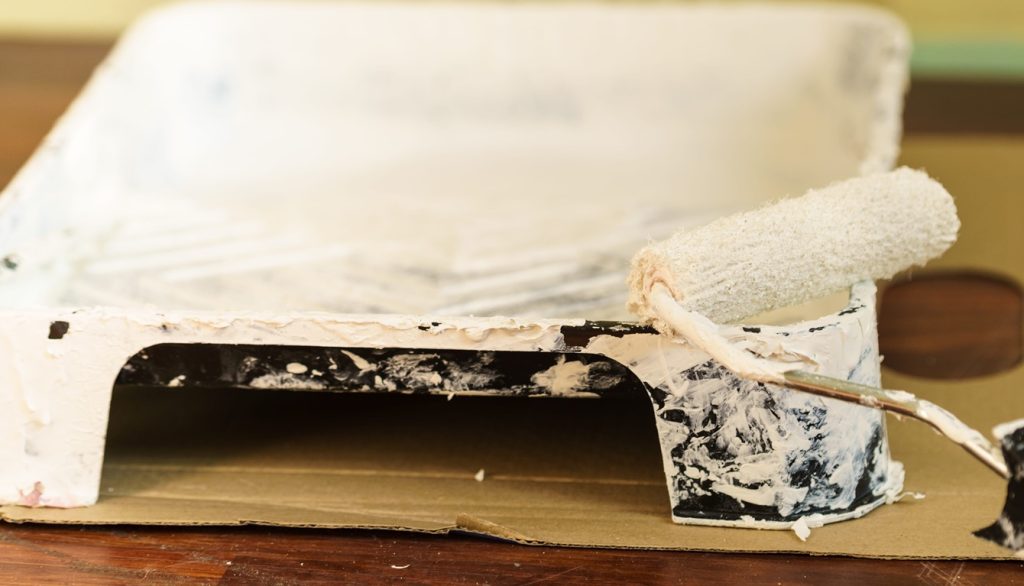
Speed up your painting process with a roller. These tools are great for covering large areas and come in various materials—foam, synthetic, or lambswool—each suited for different types of paint and surfaces.
Sanding Block
Before applying that first coat, sanding is essential. A sanding block smooths out surfaces and helps the paint adhere better. It’s also a handy tool when prepping between coats for a buttery finish.
Tack Cloth
Dust is the enemy of a smooth finish. A tack cloth is a sticky rag that removes fine particles from surfaces before painting. Use it after sanding to ensure your surface is clean and ready.
Undercoat
Right after primer and before the final colour goes an undercoat. It enhances coverage and ensures the paint sits evenly on the surface. Especially useful when switching from dark to light hues.
VOC (Volatile Organic Compounds)
These are chemicals found in many traditional paints that release fumes as they dry. Nowadays, low-VOC or zero-VOC paints are available and are a healthier choice for you and the environment.
Water-Based Paint
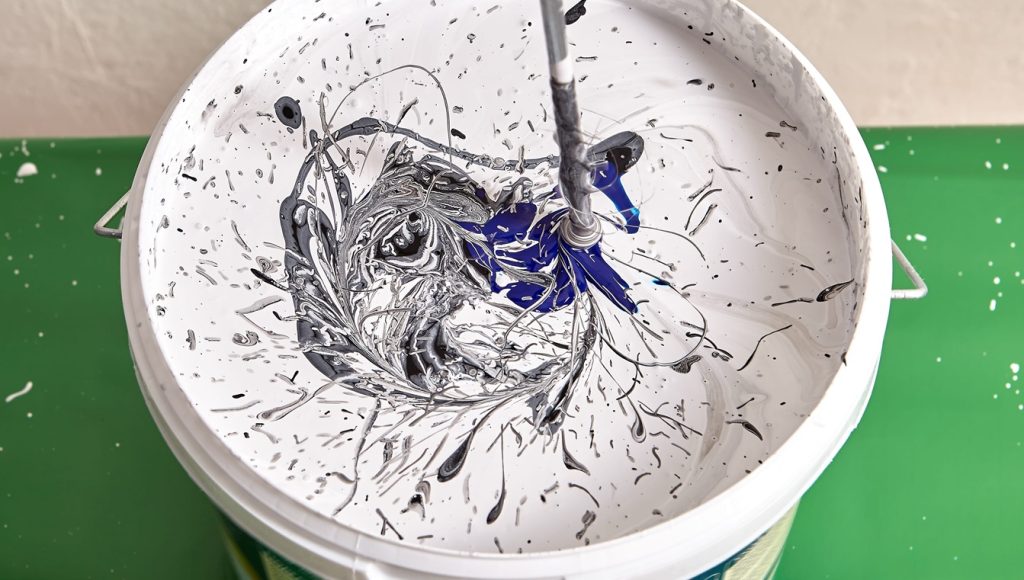
More than just eco-friendly, water-based paints dry faster and have fewer odours. They’re ideal for indoor use and easy to clean with just soap and water.
Xylene
Rarely used by DIYers but often seen in commercial settings, xylene is a solvent used in some heavy-duty paint removers. Always use it in a well-ventilated area, with gloves and a mask.
Yellowing
Some paints, especially oil-based ones, can yellow over time due to lack of sunlight or chemical breakdown. To avoid this, use high-quality, non-yellowing formulations or opt for water-based options.
Zinsser (and Other Specialty Brands)
Zinsser is a brand known for top-tier primers, mould-resistant paints, and stain-blocking formulas. Knowing your brands can help you make better buying decisions, especially when you’re tackling stubborn surfaces.
Final Thoughts
As a homeowner or project manager, when you understand the basics of painting, you empower yourself to take on projects with confidence. This glossary isn’t just about memorising terms—it’s about turning your home improvement goals into a reality with the right knowledge and tools.
So next time you’re at the hardware store, you won’t feel overwhelmed. You’ll know what a nap is, how to cut-in, and why VOCs matter. That’s the power of being paint-smart.
Contact the Experts
Ready to bring your painting project to life? Get in touch with the experienced team at Priority One Coatings for professional advice and a free, no-obligation quote.
Whether it’s residential, commercial, or specialised coatings, our skilled team is here to help you achieve a high-quality, long-lasting finish.
📞 Contact us today to discuss your project
📩 jenny@prioritycoatings.com.au
🌐 https://www.prioritycoatings.com.au/