
Essential Things to Know Before Painting Your Home Interiors
May 10, 2026
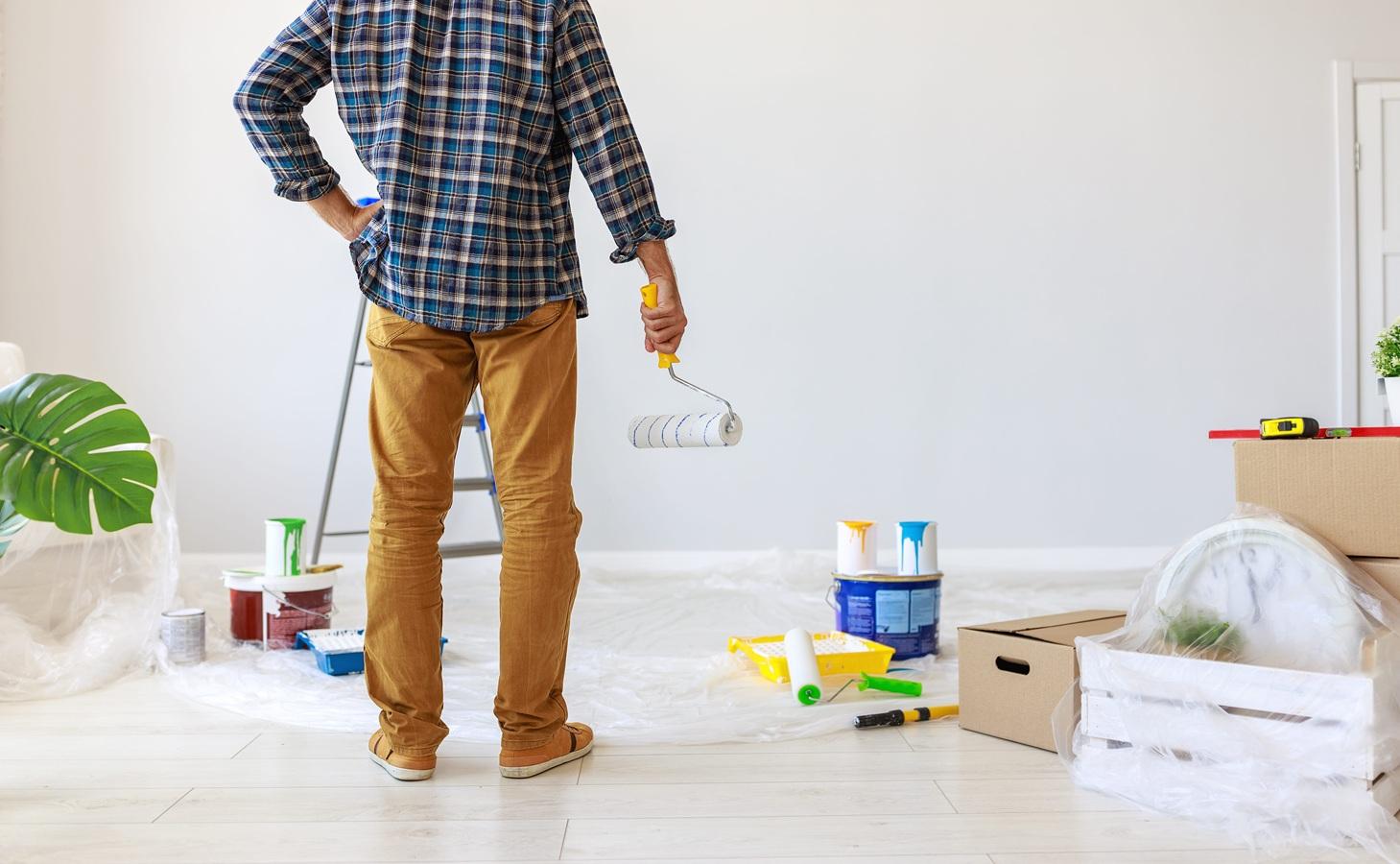
As interior painting involves applying paint to the entire house, including walls, ceilings, and other surfaces, achieving a flawless result is a must for enhancing the appearance and making a good impression. However, the process involves more than just putting paint on a roller and starting to work. Let’s explore what to consider before painting your home interiors.
Key things to consider before you start
Prepare Walls and Surfaces Before Painting
Before painting, fix any surface flaws, such as holes, cracks, or peeling paint. In this stage, gaps and cracks must be filled, dust and dirt should be removed from the walls, and sanding should be done as needed. If your house was previously painted and you found water stains or signs of mould growth, hire a professional to find out the hidden cause and fix it before painting to avoid future stains.
Once the surface is fixed, find out the ideal primer and arrange it beforehand. Paint adhesion, coverage, and durability are all enhanced by primer.
Suitable Paint for Each Interior Surface
First of all, determine whether to use oil-based or water-based paint.
Oil-based paint can surely give superior resistance to wear and tear even in heavy-duty areas, but it takes a long time to dry and can be harmful to human health. Water-based ones, on the other hand, can be easier to paint for beginners, dry quickly, and are also durable, but might need repainting sooner than the oil-based paint.
Based on the finish, you can find options like matte (conceals imperfection), gloss (shiny, hard-wearing finish but prone to fingerprints), and semi-gloss (less shiny and easy to clean). Paint finish or sheen level affects not just appearance but also how easily a surface can be cleaned and how well it holds up over time. Here’s a quick reference:
- Flat / matte — best for low-traffic areas like formal living rooms and master bedrooms. Hides surface imperfections well but is harder to clean.
- Low-sheen / eggshell — the most popular choice for living areas, hallways, and bedrooms. Easy to clean and durable enough for everyday use.
- Satin — ideal for kitchens, bathrooms, and laundries where moisture resistance matters. Wipes down easily and holds up to regular cleaning.
- Semi-gloss / gloss — recommended for doors, trims, skirting boards, and window frames. Highly durable and reflects light, making architectural details pop.
- Ceiling paint — specifically formulated to be flat and splatter-resistant. Always use a dedicated ceiling paint — wall paint applied to ceilings will not perform as well.
Right Weather Conditions for Interior Painting
Apply paint in the ideal humidity and temperature ranges recommended by the paint manufacturer.
The drying time of paint can be impacted by extreme temperatures or high humidity. Thus, when the temperature is between 10°C and 30°C, the humidity is low (less than 70%), and there is no chance of rain, it is ideal to schedule your residential painters in Sydney to work.
Best Colour Palette for Your Home
The undertone of any paint can actually change the whole outcome, so if you are planning to match a colour, find out its brand name and the code number rather than colour-matching with a sample.
The simplest method for identifying undertones is to take a piece of paper that is entirely white and look at the colour next to it. As the white isolates the shade, it’s easy to identify any difference.
Also, try to invest in buying the original sample size of the paint you are choosing and patch test on the surface you will paint.
Get the Room Ready Before Interior Painting
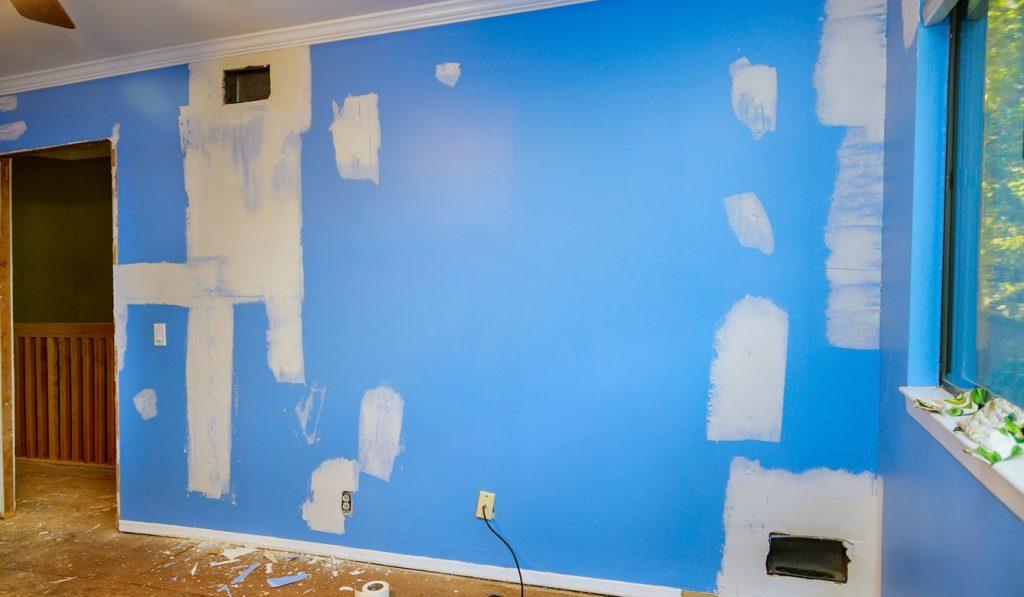
Cover furniture with drop sheets, and if possible, move it from the room you are painting. Cover the floors, and use painter’s tape to cover all edges, including switch areas, windows, doors, skirting, etc.
If you have wall décors or any hanging frames, remove them from the wall. Before painting, make sure there is enough ventilation. This will help eliminate the fresh paint odour and speed up the drying process.
Consider DIY Painting vs Hiring Professionals
If you are somehow inspired to do DIY house interior painting, before starting to paint the interiors, think practically and consider all the pros and cons, including the cost, of course.
It will be very challenging to handle the large area, wait for the drying time, and give a smooth finish. So, consider comparing Sydney’s popular painting services, go through their previous work, or review, and finally compare the rates.
You can find affordable yet experienced and professional house painters in Sydney, like Priority One Coatings. Their Dulux-accredited painters will help your house achieve a seamless finish and save you from the hassle of the DIY painting process.
DIY painting tips for a professional result
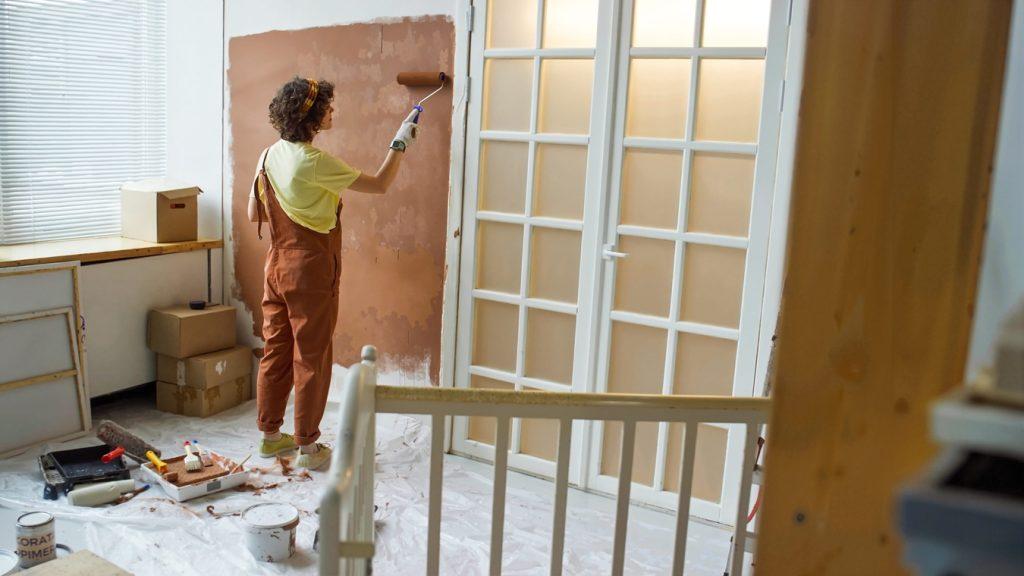
1. Always start with thorough surface preparation
Fill all holes and cracks with a suitable filler, allow to dry completely, and sand smooth. Wipe down walls with a sugar soap solution to remove grease, dust, and grime. Any surface that isn’t clean and stable will cause adhesion failure regardless of the quality of paint you use.
2. Never skip the primer
Primer seals the surface, improves adhesion, and ensures the topcoat colour appears true and even. On new plaster, patched areas, or surfaces with staining, priming is essential not optional. Using a paint-and-primer-in-one product is a compromise at best; dedicated primer delivers significantly better results.
3. Test your colour before committing
Paint a large swatch at least A3 size directly onto the wall and observe it across different times of day and in both natural and artificial light. What looks perfect in the paint store under fluorescent lighting may read completely differently in your home. Most Australian paint brands offer tester pots for exactly this purpose.
4. Use the right tools for the surface
A 10–12mm nap roller works well on smooth walls. Textured or rendered surfaces require a thicker nap of 18–20mm to get paint into the recesses. For cutting in at edges and cornices, a quality angled brush (50–65mm) gives far more control than a cheap one and the difference in your cut-in line quality will be immediately obvious.
5. Maintain a wet edge to avoid lap marks
Work in manageable sections and always blend into wet paint to prevent lap marks, the streaky lines that appear when paint dries at the overlap of two applications. Roll in a consistent W or M pattern across the wall, then lightly roll over the section in a single direction to even the finish before it begins to tack.
6. Apply two coats as a minimum
One coat is almost never sufficient for full coverage, particularly when changing colours or painting over a darker shade. Two coats applied correctly with adequate drying time in between will always produce a more uniform, durable, and professional-looking result than one thick coat.
7. Mask carefully and protect your surfaces
Use quality painter’s tape along trims, cornices, skirting boards, and light switches. Lay drop sheets across floors and furniture. Removing dried paint splatters from timber floors or stone benchtops is time-consuming and sometimes impossible prevention is always easier than the fix.
8. Paint in the right conditions
Avoid painting in extreme heat, high humidity, or cold conditions. In Australia, early morning or late afternoon in warmer months is ideal for interior painting. Temperature and humidity directly affect how paint flows, dries, and adheres and pushing outside recommended conditions leads to avoidable problems.
Whether you call a professional residential painter or do it yourself, it is entirely your decision; a perfectly painted space can reflect sophistication, which is most likely when an expert hand is involved. So, if you want your home painting project to be a successful one, contact our painters in Sydney today or request a quote.

Frequently Asked Questions
How long does interior paint last?
Interior paint longevity varies by room. Living rooms and adult bedrooms typically last 7–10 years with good maintenance. Kitchens, bathrooms, and laundries require repainting every 3–4 years due to moisture and heat exposure. Children’s bedrooms and high-traffic hallways generally need refreshing every 2–3 years. Using premium-quality paint and ensuring correct surface preparation at the outset significantly extends these timelines.
How many coats of paint does an interior wall need?
At minimum, two coats of topcoat over a properly primed surface. If you’re going from a dark colour to a lighter one, three coats may be necessary for full, even coverage. Applying one thick coat instead of two thinner coats is a common mistake, and it leads to poor adhesion, slower drying, sagging, and an uneven finish.
Do I always need to use primer before painting interior walls?
Not always, but in most cases, yes. Primer is essential on new or bare plaster, freshly patched surfaces, raw timber, surfaces with staining, and when making significant colour changes. On previously painted walls in good condition where you’re applying a similar colour, a quality topcoat alone may be sufficient. When in doubt, prime because it is cheap insurance against a poor result.
What is the best paint brand for interior walls in Sydney?
Several brands consistently deliver professional results for Sydney homeowners. Dulux and Taubmans are widely trusted for residential and commercial use. Haymes Paint is a well-regarded local brand known for strong pigmentation and a comprehensive low-VOC range. Solver is a solid mid-range option. The right brand often depends on the specific surface, room, and your budget, while a professional painter can recommend the most appropriate product for your project.
What is the ideal temperature for painting indoors in Sydney?
Most water-based interior paints perform optimally between 10°C and 35°C with a relative humidity below 85%. Painting under these conditions, including extreme heat, cold, or high humidity, affects how paint flows, dries, and adheres. In Sydney’s summer or Brisbane’s wet season, early mornings with air conditioning running provide the most stable conditions for interior painting work.
How do I choose the right colour for a small or dark room?
Lighter tones, especially soft whites, pale neutrals, and cool greys, reflect more light and make compact or darker rooms feel more open and spacious. If you prefer warmth, opt for light, earthy tones rather than dark, saturated shades, which can make a room feel enclosed. Painting the ceiling a shade lighter than the walls also creates the illusion of added height. Always test a large swatch on the actual wall before committing to a colour.
Can I paint over mould on interior walls?
No, painting over mould without treating it first is one of the most common and costly mistakes homeowners make. Mould will continue to grow beneath the new paint and will reappear, often worse than before. Treat the affected area with a mould-killing solution, allow it to dry completely, and apply a mould-inhibiting primer before repainting. For large or recurring mould problems, a professional assessment is strongly recommended to identify and address the underlying moisture source.
Is it worth hiring a professional painter or should I DIY?
For smaller, straightforward rooms, DIY is entirely achievable if you have the time and patience to prepare and execute properly. However, for larger or more complex spaces, high ceilings, intricate cornicing, heritage features, or any project where the finish really matters, such as before a sale, a rental listing, or a major renovation, a professional painter consistently delivers a faster, higher-quality, and longer-lasting result. The cost of professional painting is frequently offset by not having to fix or redo a DIY outcome.