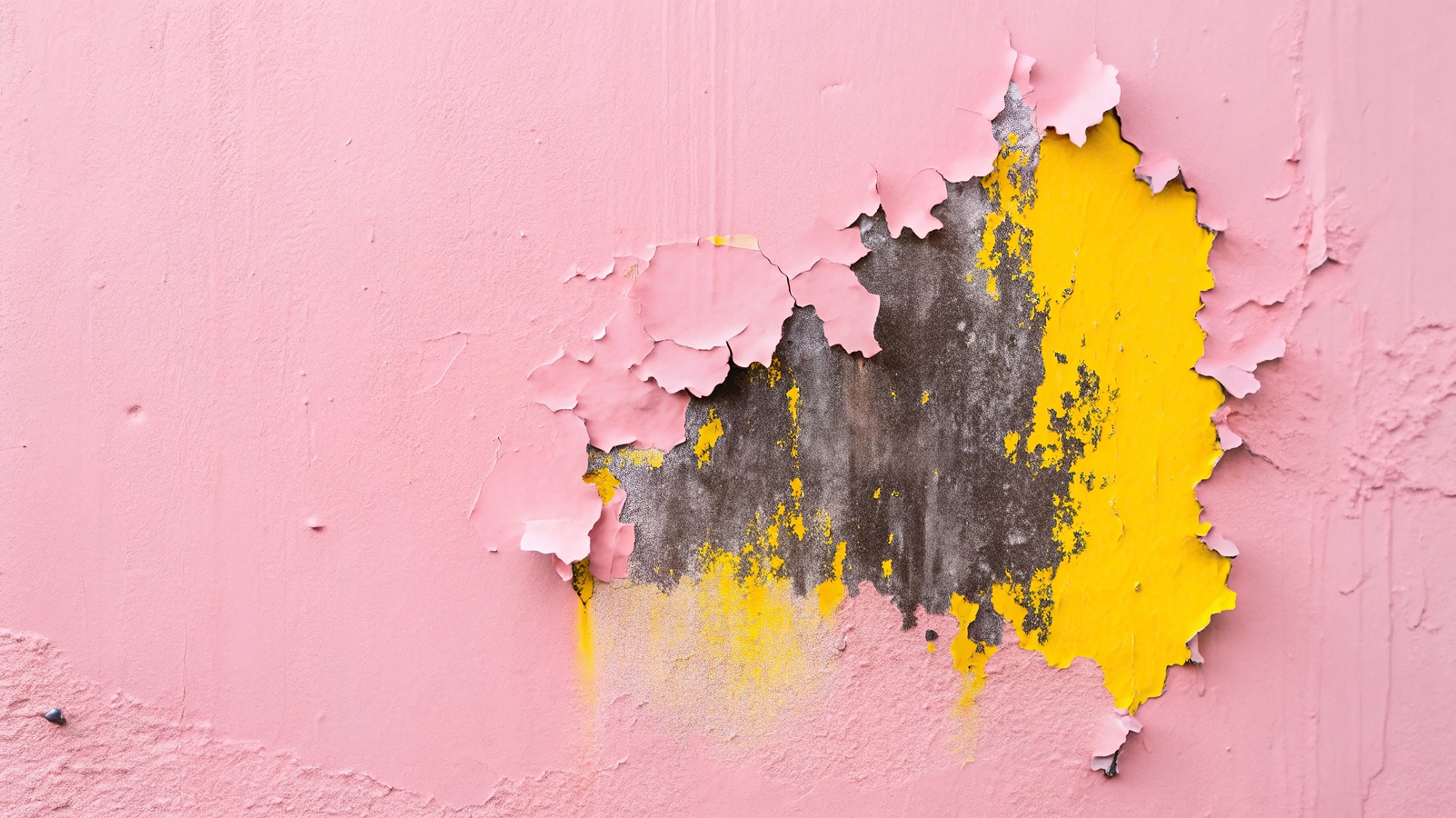
If you’ve recently had your home painted or you’re eyeing peeling walls and wondering where it all went wrong, you’re not alone. While you are hoping a fresh coat of paint will transform your property, a poor paint job can do the opposite. Making surfaces look worse than before while costing you more money in repairs down the track.
The quality of a paint job is not always apparent during completion. Specifically, the adhesion problems can take up to 12 to 24 months to surface. At that time, a painting contractor may be difficult to hold accountable. So, recognising the signs of a bad paint job early can save time, money, and frustration.
Why Paint Quality Matters
Paint does more than make a space look beautiful. It protects your walls, ceilings, and exterior surfaces from moisture, UV damage, mould, and general wear and tear. When paint is applied incorrectly — whether due to poor preparation, cheap materials, or rushed workmanship — those protective benefits disappear fast. What you’re left with is a surface that looks patchy, peels prematurely, and may even harbour hidden moisture damage underneath.
Considering Sydney’s climate, humidity, coastal salt air, and harsh summer sun can be relentless on building surfaces. So, the quality of a paint job and hiring the right house painters matters even more compared to other cities.
Common Signs of a Bad Paint Job
Most common signs of low-quality painting are the inevitable results of a cheap paint job. Here are some of the most common painting mistakes to watch for on any painted surface:
- Visible Brush Marks and Roller Stippling – Some texture is normal, but pronounced brush streaks or heavy roller marks indicate poor technique or the wrong tools were used for the job. A quality finish should be smooth and consistent.
- Drips and Runs – Paint drips and runs down a wall are a telltale sign of overloading the brush or roller and not catching mistakes in time. These are completely avoidable with proper technique and attentiveness.
- Bleeding Colours and Poor Cut-In Lines – Clean, sharp edges where walls meet ceilings, trims, and cornices are the mark of a skilled painter. If colours bleed into one another, or the cut-in lines are wobbly and inconsistent, the painter lacked either the skill or the patience to do it properly.
- Bubbling and Blistering – Paint that bubbles up or blisters shortly after application is almost always the result of poor surface preparation — painting over a dirty, damp, or previously peeling surface traps air and moisture underneath, causing the film to lift.
- Wrong Sheen or Finish – Using the wrong type of paint for a particular surface is a common but costly mistake. High-gloss paint on a textured ceiling, or flat paint in a bathroom, can result in a finish that looks out of place and wears down far too quickly.
Interior Paint Defects: What to Look For Inside Your Home
Interior paint defects are often most visible under proper lighting. Walk through each room with a critical eye and look for the following:
Lap Marks
Lap marks appear as stripes of uneven texture or colour where a painter continued applying paint over sections that had already begun to dry. This is most obvious on large, open walls and ceilings where the overlap between wet and dry paint creates a visible ridge or colour variation.
Poor Surface Preparation
A professional wall preparation includes filling all the cracks and holes, sanding and using primer. It helps to remove all the imperfections of old paint before the painting begins. If you can still see old damage beneath a new coat, the painter skipped critical prep steps.
Mould and Mildew Growth
Interior mould growth underneath or through paint — particularly in bathrooms, laundries, and kitchens — usually means moisture-resistant paint wasn’t used, or the surface wasn’t properly treated before painting. This is not just a cosmetic issue; it is a health concern.
Paint on Fixtures, Trims, and Hardware
Splatters and smears on light switches, door handles, skirting boards, and window frames that weren’t properly masked off suggest a rushed or careless job.
Ceiling Paint on Walls or Vice Versa
Ceiling and wall paints are formulated differently. If ceiling paint has crept down onto the walls or wall paint has made its way onto the ceiling, the cut-in work was not done carefully, and the finish won’t hold up as well over time.
Unprimed Surfaces
Primer is the foundation of a lasting paint job. Without it, paint adhesion is weak, colours may appear dull, and surfaces absorb paint unevenly. On new plaster or patched areas in particular, skipping primer almost always leads to a visible and premature failure.
Exterior Paint Defects: What to Look For Outside Your Home
Sydney’s outdoor environment demands solid exterior paint on the building surface. As sun, rain, wind, and salt air mean exterior wear and tear often emerge faster and cause more damage than interior ones.
Peeling and Flaking
Peeling paint on the exterior of a home is one of the most serious signs of a failed paint job. It almost always points to inadequate surface cleaning and preparation before painting, meaning the paint never properly bonded with the surface underneath. Left untreated, moisture can enter and cause significant structural damage.
Chalking
As paint ages and breaks down under UV exposure, it can produce a white, chalky residue on the surface. While some chalking is normal over many years, excessive chalking shortly after painting suggests a low-quality paint was used, or the wrong type of paint was selected for the exposure level.
Cracking and Alligatoring
Alligatoring refers to a pattern of cracks in paint that resembles reptile scales. It typically occurs when a new coat of paint was applied over a surface that wasn’t properly cleaned or over paint that had already begun to fail. It can also result from applying a hard topcoat over a softer undercoat without adequate drying time.
Efflorescence
Efflorescence appears as white, salt-like deposits on rendered or masonry surfaces. It occurs when water moves through a surface and carries soluble salts outward. If a painter didn’t address this issue before painting — or used the wrong type of paint on a masonry surface — it will continue to push through and cause the paint film to fail.
Fading and Colour Inconsistency
Exterior paint that fades rapidly or develops colour inconsistencies across a surface usually means a low-pigment or low-quality product was used, or that insufficient coats were applied. Sydney has a UV-intense environment, so premium exterior paint with UV-resistant properties is non-negotiable.
Rust Staining Around Metal Fixtures
If rust is bleeding through paint around nails, screws, or metal fixtures, it means the metal was not properly primed with a rust-inhibiting primer before painting. Over time, this rust will spread and compromise the surrounding surface.
When Should You Hire Professional Painters?
Not every bad paint job requires a full repaint, but there are situations where calling in professional painters is absolutely the right move:
- First impressions matter enormously before buying or selling a property. Professional painters ensure a flawless, consistent finish that adds real value to your home.
- When defects keep recurring, if you’ve repainted a surface yourself and the same issues keep appearing — peeling, bubbling, mould — there’s an underlying issue that needs expert diagnosis and treatment.
- When dealing with large or complex surfaces. Multi-storey exteriors, vaulted ceilings, intricate cornicing, and heritage features all require specialised skills and equipment.
- When the damage involves moisture or structural issues, professionals can identify whether paint failure is a symptom of a larger problem — such as rising damp, leaking gutters, or inadequate waterproofing — and recommend the right course of action.
- When you’re a property manager with multiple sites, maintaining consistent quality across a rental portfolio requires reliable, experienced tradespeople who can work efficiently and to a professional standard every time.
A professional painter doesn’t just apply paint — they prepare surfaces correctly, use the right products for each application, and stand behind their work.
Frequently Asked Questions
How long should a quality paint job last?
Interior paint can last 5–10 years, while exterior paint typically lasts 5–7 years, depending on conditions and quality.
Can bad paint jobs be fixed?
Yes, but it often requires sanding, proper preparation, and repainting—sometimes from scratch.
Can I claim compensation if a painter does a bad job?
Yes. In New South Wales, painting work over $5,000 is covered under the Home Building Act. You may be entitled to a defect rectification if the work is incomplete or not fit for purpose. Always ensure your painter is licensed and provides a written contract.
What causes paint to peel so quickly after application?
Peeling is almost always caused by inadequate surface preparation — painting over dirty, damp, or poorly primed surfaces prevents proper adhesion. It can also result from using a low-quality paint product or applying paint in unsuitable weather conditions.
Is bubbling paint a serious problem?
Yes. Paint bubbling often indicates that moisture or air is trapped underneath. If not addressed properly and left untreated, it can lead to mould growth and surface damage. And ultimately ruin the finish of the newly painted surface. The affected area typically needs to be stripped back, treated, and repainted properly.
Get the Paint Job Done Right with Priority One Coatings

If you’re noticing signs of a bad paint job, don’t wait for the problem to get worse. At Priority One Coatings, we’ve been helping Sydney homeowners and property managers achieve exceptional, lasting results across residential and commercial properties.
From meticulous surface preparation to premium product selection and clean, sharp finishes, we take every detail seriously — because we know how much your home matters to you.
Whether you need a full interior repaint, an exterior refresh, or a professional assessment of existing paintwork, our experienced Sydney-based team is ready to help.