
Sustainable Commercial Painting Practices: Eco-Friendly Tips
August 20, 2026
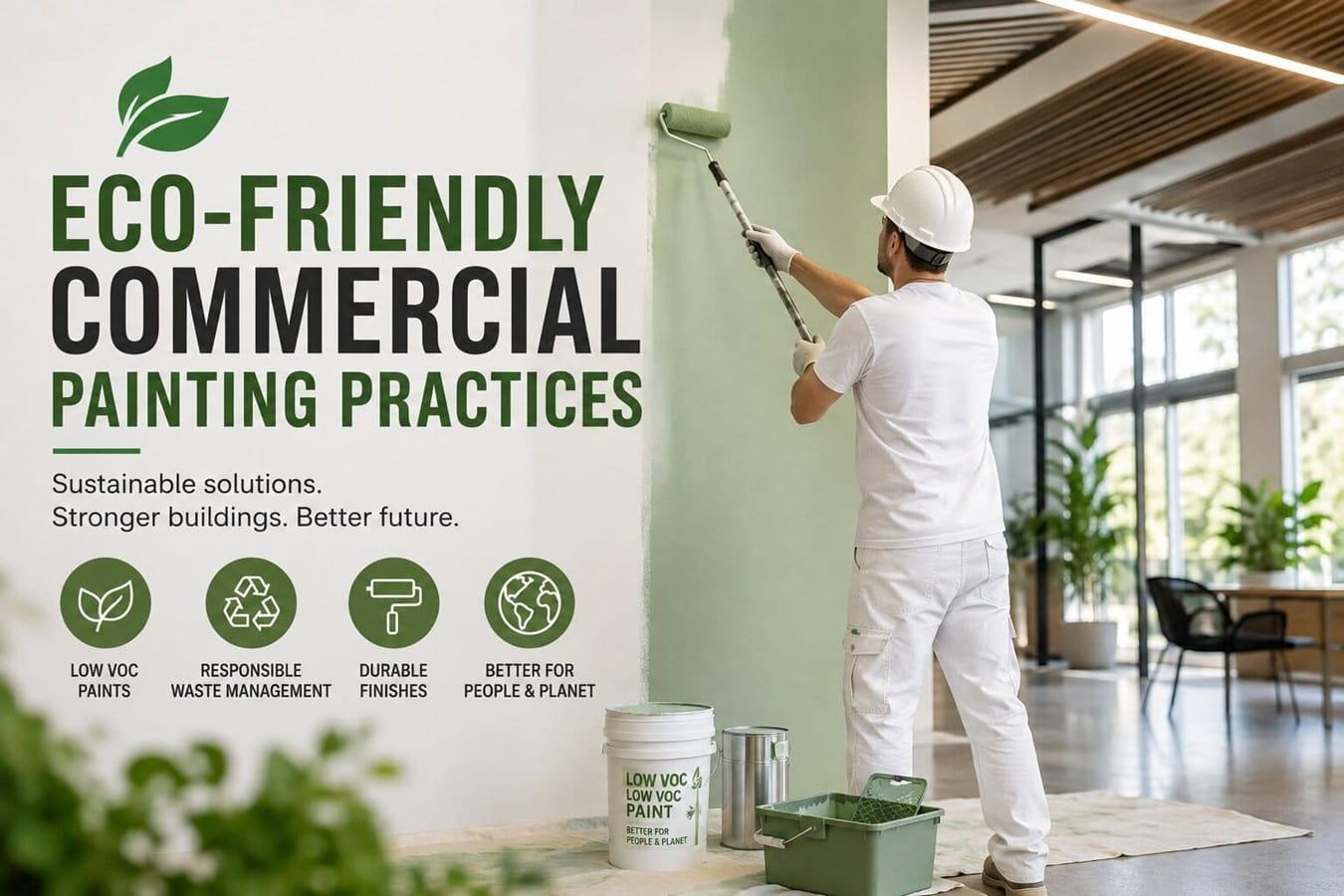
Sustainability is becoming an increasingly important consideration for Australian businesses. From reducing energy consumption to choosing more responsible building materials, organisations are looking for practical ways to lower their environmental impact without compromising the quality, appearance or performance of their workplaces.
Painting is one area where relatively simple choices can make a meaningful difference. Traditional painting projects may involve products that release volatile organic compounds, unnecessary material waste and disposal practices that add to a business’s environmental footprint. Eco-friendly commercial painting takes a more considered approach to the products used, the quantity of materials required and how waste is managed throughout the project.
Experienced commercial painters in Sydney can help businesses make more environmentally conscious choices while still achieving the durable, professional finish expected in offices, retail premises, warehouses, strata properties and other commercial environments.
At Priority One Coatings, we believe sustainability and high-quality workmanship can work together. Here is what businesses should know about eco-friendly commercial painting practices and how they can be incorporated into their next project.
What Is Eco-Friendly Commercial Painting?
Eco-friendly commercial painting involves reducing the environmental impact of a painting project at every practical stage. It is not simply a matter of choosing a tin of paint labelled environmentally friendly.
The process can include selecting low VOC or lower impact coatings, preparing surfaces properly, accurately calculating material requirements, reducing unnecessary waste and responsibly handling leftover paint and other project materials.
For a commercial painting company, the goal is to balance environmental considerations with the practical requirements of the building. Paint still needs to provide appropriate coverage, durability, washability and resistance to the conditions it will encounter.
A busy office, warehouse and retail store, for example, may have very different coating requirements. The most sustainable choice is therefore not always the same product for every property. It is the coating system that provides the required performance while reducing unnecessary environmental impact wherever possible.
Choose Low VOC and Low Odour Paints Where Appropriate
Volatile organic compounds, commonly referred to as VOCs, are chemicals that can be released into the air as certain paints and coatings dry.
One of the most common steps towards greener commercial painting in Sydney is choosing low VOC or low odour products where they are suitable for the surface and application.
This can be particularly valuable in occupied commercial spaces. Offices, medical environments, educational facilities, retail premises and other workplaces may need to remain operational during or shortly after painting. Reducing strong paint odours can help make the process more comfortable for employees, customers and visitors.
Modern low VOC products are available for a broad range of applications, but product selection should still consider durability and surface requirements. An experienced painter can recommend an appropriate system rather than choosing a product solely because it carries an environmental claim.
Proper Surface Preparation Helps Reduce Waste
Surface preparation may not immediately sound like an environmental practice, but it plays an important role in sustainable painting.
Paint applied to poorly prepared surfaces is more likely to peel, blister, crack or fail prematurely. When that happens, the area may require additional preparation and repainting much sooner than expected. This consumes more paint, labour and materials.
Professional preparation can include cleaning surfaces, repairing defects, sanding where required, treating damaged areas and applying suitable primers before the finishing coats.
The exact process depends on whether the substrate is plasterboard, timber, concrete, masonry, metal or another material.
Good preparation helps coatings adhere properly and perform as intended. Extending the useful life of a paint system can reduce the frequency of repainting and therefore reduce material consumption over the longer term. For more detail, see our guide to preparing surfaces before painting.
Calculate Paint Requirements Carefully
Overordering is an easy way to create unnecessary waste on a commercial project.
Commercial properties can contain large wall areas, multiple rooms and different surfaces requiring separate coating systems. Accurate measurement and planning allow commercial painting contractors to estimate how much primer, paint and specialist coating will actually be required.
Several factors influence these calculations, including the total surface area, condition and porosity of the substrate, selected product and expected number of coats.
Careful estimation reduces the likelihood of significant quantities of unused paint being left at the end of a project. At the same time, painters need to allow enough material to complete the job consistently without unnecessary interruptions or colour variations.
This is one of the advantages of working with an experienced commercial painting team rather than approaching a large project without detailed planning.
Reduce and Manage Painting Waste Responsibly
Paint itself is only one source of waste during a commercial painting project. Depending on the scope of work, projects may also generate used masking materials, empty containers, damaged brushes or rollers, sanding materials and other consumables.
An eco-conscious approach looks for opportunities to reduce this waste from the beginning rather than dealing with it only after the project has finished.
Reusable equipment should be maintained and used where practical. Materials should be ordered according to realistic project requirements, and leftover products should be handled appropriately rather than simply entering general waste or stormwater systems.
In Australia, paint and paint containers may have specific collection or recycling options depending on the product and location. Businesses and contractors should follow applicable local disposal requirements and product guidance.
Responsible waste management may seem like a small part of a large painting project, but across multiple projects it can make a considerable difference.
Select Durable Coatings for Longer Service Life
Sustainability is not only about what goes into a product. It is also about how long that product performs.
A cheaper or supposedly greener coating that deteriorates quickly may need to be repainted more frequently. Over time, that can mean greater consumption of paint, preparation products, equipment and labour.
For this reason, experienced commercial painters in Sydney consider the complete lifecycle of a coating system.
High traffic corridors may require washable and hard wearing finishes. Exterior surfaces need coatings capable of handling exposure to sun, rain and changing weather conditions. Industrial areas may require more specialised products to withstand abrasion, moisture or other demanding conditions.
Choosing a coating appropriate for its environment can extend maintenance intervals and reduce unnecessary repainting.
Maintain Existing Painted Surfaces
Sometimes the most sustainable painting practice is to protect what is already there.
Commercial buildings naturally experience wear from foot traffic, furniture, equipment, weather exposure and everyday operations. However, not every sign of wear requires a complete repaint.
Routine inspections can identify small problems before they become more extensive. Touch ups, minor repairs and targeted maintenance may extend the life of existing painted surfaces.
For example, repairing a damaged section early may prevent moisture from affecting surrounding areas. Similarly, cleaning suitable washable finishes can improve their appearance without immediately applying another coat of paint.
A planned maintenance approach allows businesses to concentrate resources where they are actually needed.
Consider the Environmental Impact of Surface Preparation
Preparation itself should also be managed carefully.
Older commercial properties can contain deteriorating coatings or materials that require specialised handling. Dust created during sanding and preparation should be controlled, particularly in occupied environments.
Professional commercial painting contractors can assess the existing surfaces and determine an appropriate preparation method before work starts.
Rather than using aggressive preparation techniques unnecessarily, the objective should be to complete enough preparation to create a sound substrate for the new coating system while managing dust, debris and other waste responsibly.
Where older or potentially hazardous coatings are suspected, appropriate assessment and handling procedures become particularly important.
Plan Commercial Painting to Minimise Disruption
Sustainability also involves using resources efficiently. Poor scheduling can extend a project, increase repeated setup and create avoidable disruption for a business.
Before work begins, a commercial painter should consider access requirements, operating hours, drying times and how different sections of the property will be completed.
Painting can often be staged around business operations. Depending on the project, certain areas may be completed outside peak periods or divided into manageable sections so the entire workplace does not need to close.
Efficient project planning helps minimise downtime while allowing painters sufficient time to prepare surfaces and apply coatings correctly.
If you are planning to refresh an office, retail property, warehouse or another business facility, Priority One Coatings provides professional commercial painting services tailored to the requirements of commercial properties.
Why Eco-Friendly Painting Makes Sense for Australian Businesses
Environmental responsibility is becoming a normal part of how Australian businesses make purchasing and property management decisions. Commercial painting provides an opportunity to incorporate more sustainable choices without sacrificing the appearance or functionality of the building.
Low VOC products can be considered where appropriate. Accurate material calculations can reduce excess paint. Proper preparation and durable coating systems can extend repainting cycles. Responsible waste handling can reduce the amount of material unnecessarily entering landfill.
These individual decisions may appear relatively small, but together they create a more considered approach to maintaining commercial properties.
There can also be practical business benefits. A well maintained workplace presents a professional image to customers and employees, while careful product selection and project scheduling can help reduce disruption during painting.
How to Choose an Eco-Conscious Commercial Painting Company
Businesses should look beyond broad environmental claims when comparing painting contractors.
Ask potential contractors how they select paint products, calculate material requirements, manage preparation and deal with leftover materials. It is also worth discussing how the proposed coating system will perform over time.
A reliable commercial painting company should be able to explain why particular products and preparation methods have been recommended for your building.
Experience is especially important because commercial environments often involve practical challenges that are not present in smaller residential projects. Access, scheduling, safety, surface condition and business continuity all need to be considered alongside environmental objectives.
The best approach combines responsible product choices with proper preparation, efficient project management and workmanship designed to deliver lasting results.
Frequently Asked Questions About Eco-Friendly Commercial Painting
What is the most eco-friendly type of paint?
There is no single paint that is best for every commercial application. Low VOC and water based products can be suitable options for many surfaces, but durability, substrate condition and exposure should also influence product selection. A commercial painter can recommend a coating that balances environmental considerations with the performance requirements of the property.
Are low VOC paints suitable for commercial buildings?
Yes, low VOC paints can be suitable for many commercial interiors and some other applications. Modern products are available in a wide range of finishes and performance levels. The correct choice depends on factors such as traffic, cleaning requirements, moisture exposure and the type of surface being painted.
Can eco-friendly paint reduce paint smells in an office?
Low odour and low VOC products can help reduce strong paint smells compared with some conventional coatings. This can be useful when painting occupied offices, retail premises and other workplaces. Appropriate ventilation and project scheduling should still form part of the painting plan.
Does eco-friendly commercial painting cost more?
Not necessarily. Pricing depends on the product, surface condition, preparation requirements, building size and complexity of the project. Some specialised coatings may cost more initially, but durability and longer maintenance intervals should also be considered when evaluating overall value.
How can commercial painters reduce paint waste?
Accurate measurement and estimating are important starting points. Painters can also reduce waste through correct product storage, careful application, maintaining reusable equipment and appropriately handling leftover paint and containers.
How often should a commercial property be repainted?
There is no universal repainting schedule. Interior traffic, exterior weather exposure, coating quality, surface preparation and ongoing maintenance all influence paint lifespan. Regular inspections can help businesses repaint when necessary rather than following an arbitrary timetable.
Why should businesses use professional commercial painters?
Professional painters can assess surfaces, recommend suitable coating systems, plan preparation and organise work around commercial operations. This becomes particularly important on larger properties where poor preparation or inappropriate product selection can result in premature coating failure and additional expense.
Make Your Next Commercial Painting Project More Sustainable
Eco-friendly commercial painting does not require businesses to compromise on presentation or durability. It is about making better decisions throughout the project, from selecting appropriate lower impact products and preparing surfaces properly to reducing waste and extending the lifespan of the finished coating.
Priority One Coatings has been providing professional painting solutions since 1988. Our experienced team works with commercial properties across Sydney, helping businesses achieve high-quality finishes while considering the practical requirements of each site.
If you are looking for experienced commercial painters in Sydney, speak with Priority One Coatings about your property, operational requirements and painting goals. We can help you plan a professional commercial painting project with a focus on quality, durability and responsible practices. Contact Priority One Coatings today to discuss your commercial painting requirements and request a quote.