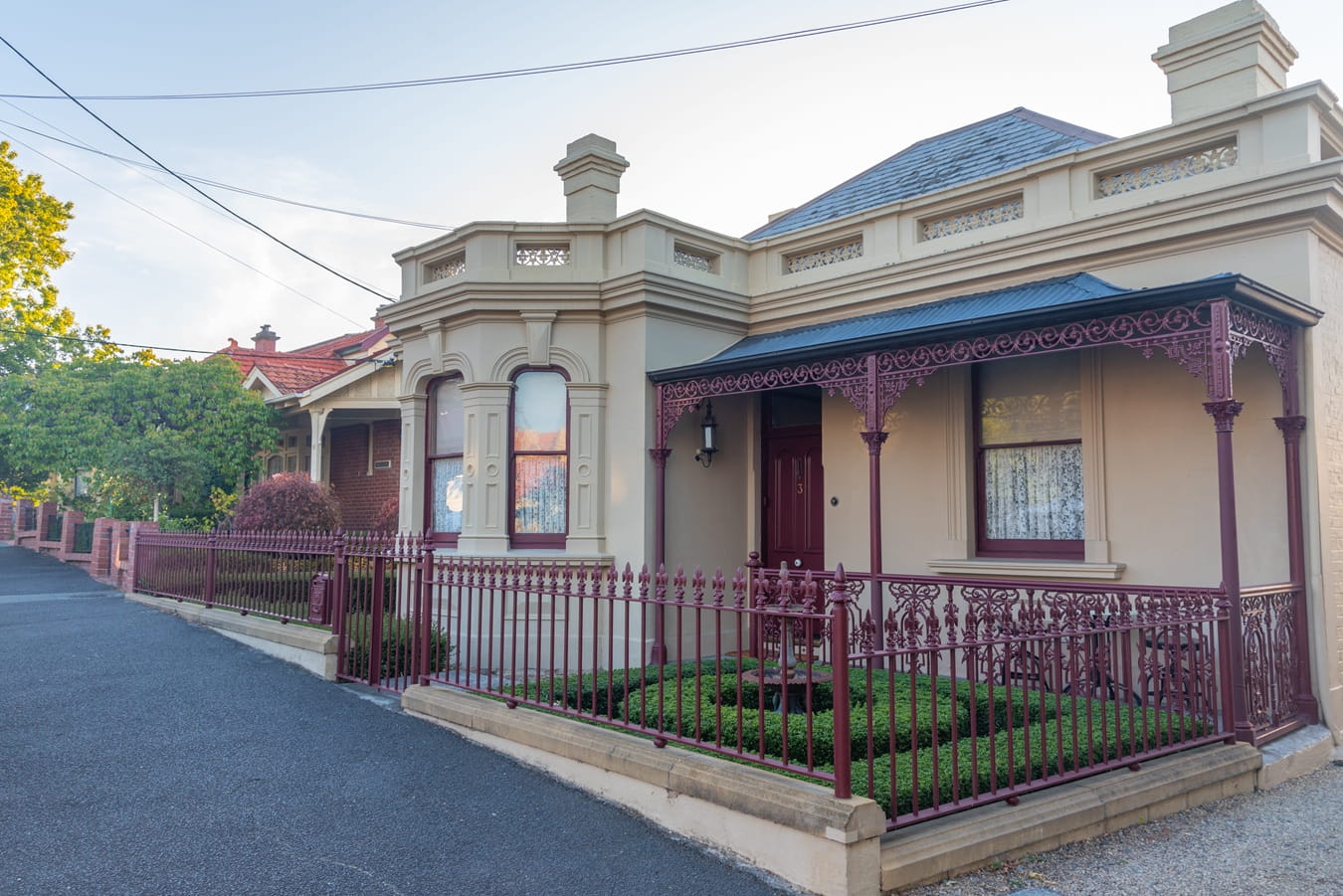
Does your property look old and dull?
Is the structure in strong condition, but still the outlook appears to be worn out?
Well, painting in this case can be one of the most powerful and cost-effective ways to refresh your space. Along with boosting a property’s value, a fresh coat of paint can actually protect your walls from both regular heavy usage and specifically from Sydney’s uniquely harsh weather.
Interior or exterior painting, which one should you go for?
Well, it’s very common to raise this question, but both have totally different purposes to serve. To completely transform any space, you will need to focus on both. No matter if it’s about painting the inside or outside of a house, having the right knowledge can make a huge difference, even though you hire professionals for the job. You must know the little details to get your desired paint results as well.
Don’t worry, you won’t have to search different places for suggestions. This comprehensive guide brings together everything you need to know about both exterior and interior painting. You will also find solutions to frequently asked questions in this blog. So, stick with us till the end and solve all your confusions before getting painting services for your property.
Interior Painting
The process of painting a building’s interior surfaces with paint, finishes, and protective coatings is known as interior painting. Initially, it may seem quite a simple task, but interior painting is a highly skilled craft that combines technique, preparation, and design. When done correctly, interior painting can completely transform a space by adding richness, texture, and personality as well as opening up limited areas.
Areas that can be focused on in the interior paint project are-
- Walls (all internal rooms)
- Ceilings
- Doors and door frames
- Skirting boards and architraves
- Windows and window frames
- Interior trims
- Staircases
- Hallways and corridors
- Kitchen walls and splash zones (paintable areas)
- Bathrooms and wet areas suitable surfaces
Exterior Painting
The process of covering and shielding a home’s or building’s exterior surfaces is known as exterior painting. Compared to interior work, it requires a completely different strategy. Strong UV radiation, summer storms, and salt exposure in coastal locations like Bondi, Cronulla, and Manly make Sydney’s climate unpredictable. So, despite the fact that many people only think of it as “painting the outside,” it is truly a specialised trade requiring an in-depth understanding of materials, weather exposure, surface behaviour, and long-term durability.
Here are the areas that are covered in an exterior painting job-
- Exterior walls (brick, render, weatherboard, cladding)
- Fascias and eaves
- Gutters and downpipes
- Exterior doors and door frames
- Window exteriors and frames
- Decks and verandas
- Fences and gates
- Garage doors and exterior sheds
- Balconies and railings
- Exterior trims
What are the benefits interior painting can offer?
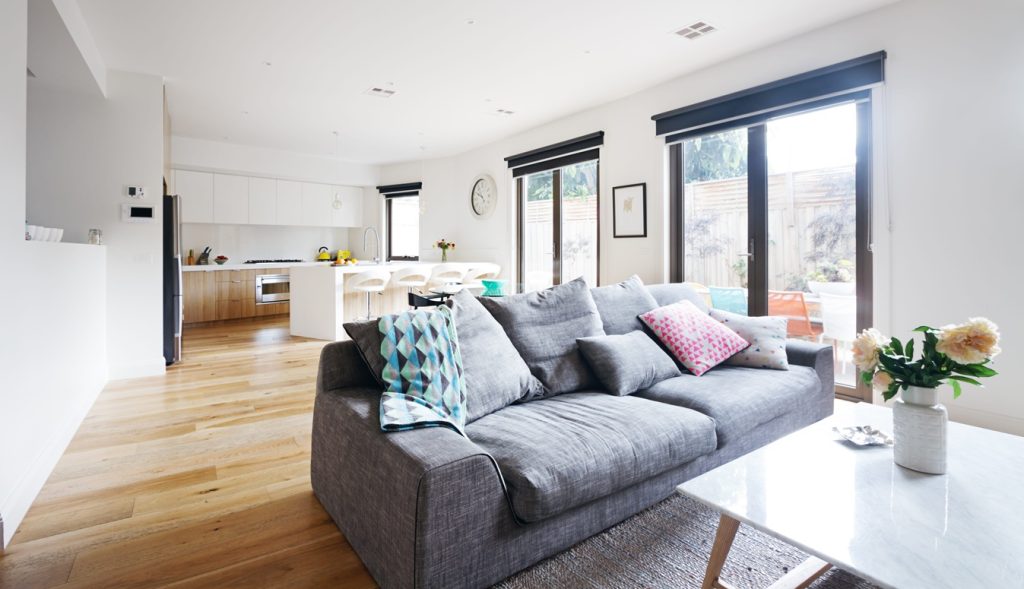
Are you confused about whether investing in interior paint is worth it? Think about these four advantages of painting the inside areas of your house.
1. Increasing Your Home’s Value
A new coat of paint might give your house a more contemporary appearance if you intend to sell it soon. Potential buyers may find your house more appealing as a result. Modern, well-maintained homes frequently get a higher asking price.
2. Better Air Quality
Hazardous volatile organic compounds (VOCs) can be released into the atmosphere by some older paints. You can lessen the quantity of dangerous chemicals produced inside your house by using more recent, low-VOC paint. It can make living spaces healthier and enhance indoor air quality.
3. Visual Appeal
You can give your living area a completely different appearance and feel by painting the interior of your residence. In addition to complementing your furniture, artwork, and other decorations, new and updated colours and finishes can give any space depth, texture, and dimension.
4. Improvement of Mood
Colours can affect how we feel in a room and have a strong emotional impact. This is one of the proven advantages of interior painting. If the colour of your room seems boring, keep in mind that the correct hue might improve your mood, encourage relaxation, or spark creativity.
What are the advantages of exterior painting?
Painting the exterior might be an expensive decision. However, if the outer side of your residence looks outdated, these benefits can convince you to consider exterior painting a wise investment-
1. Increases Street Appeal
The improvement of street appeal is one of the most obvious and instant advantages of exterior painting. Your house can look quite different and become more appealing with a new coat of paint. Additionally, painting your house on a frequent basis can give it a more contemporary appearance that is visible from a distance and help you stay up to date with colour trends.
2. Prevents Weather-Related Damage
The external walls of the house are continuously exposed to a variety of environmental conditions, such as sunlight, wind, rain, and hail. These factors have the strong potential to harm your home’s external surfaces over time. Painting serves as a barrier that keeps moisture, UV rays, and other external elements out of your home.
3. Helps to Find Surface Damages
In addition to resolving concerns, painting the exteriors enables you to identify more significant problems with your home’s exterior and promptly act to fix them. It can be the flaws that may not have previously been apparent or detected. You can identify surface deterioration on the walls of your building by beginning exterior painting.
4. Extended maintenance
A fresh coat protects your exterior from general degradation or weather-related damage. Because of this, you can afford to pay little or nothing to preserve the painted exterior of your house.
What’s the major difference between interior and exterior painting?
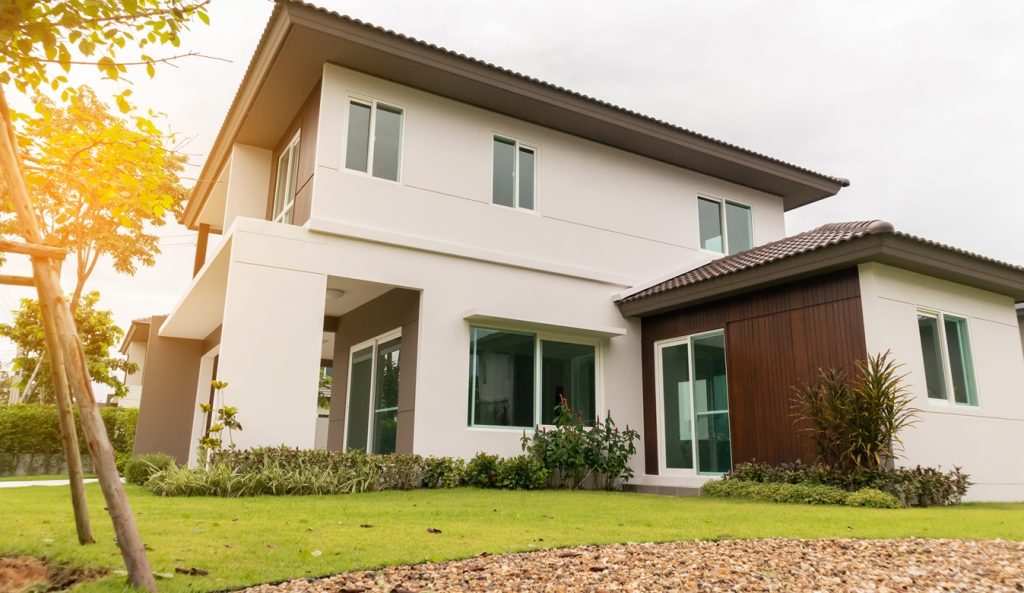
Here is a chart that will help you understand the key dissimilarities between the two-
| Aspect | Interior Painting | Exterior Painting |
| Primary Purpose | Enhances aesthetics, ambience, and interior comfort | Protects the home from weather damage and improves street appeal |
| Environmental Conditions | Controlled environment with stable temperature, no direct sun or rain | Exposed to heat, UV rays, wind, rain, humidity, and seasonal changes |
| Surface Types | Plaster walls, ceilings, trims, doors, cabinets, interior timber | Brick, render, cladding, weatherboard, metal, exterior timber |
| Preparation Needs | Repair cracks, patch dents, sand surfaces, prime for smooth finish | Address peeling paint, rust, rot, mould, water damage, and seal exposed areas |
| Durability Requirements | Needs to withstand touch, cleaning, and daily wear | Must withstand harsh weather, fading, cracking, and moisture |
| Finishes Commonly Used | Matte, low sheen, satin, semi-gloss depending on room use | Low sheen, semi-gloss, or gloss for maximum durability and weather resistance |
| Application Challenges | Achieving flawless walls and crisp lines in detailed spaces | Managing temperature, weather timing, heights, and large surface areas |
| Impact on Lifestyle | May temporarily disrupt room use and require furniture shifting | Usually less disruptive, as most work happens outside the home |
Interior Vs Exterior Paint: The Main Distinction Every House Owner Must Know
A major misconception that sometimes creates blunders in painting results is the type of paint used in each area. Any experienced painting company in Sydney or all around the world will suggest that the paint you buy for interior can never be used in exteriors, and vice versa. There are a lot of factors that make them different-
Composition
Pigments, resin, solvents, and additives are among the ingredients used in paints. Their ingredients and ratios are where they diverge most. Water-based (latex) paints are available for interior use. Their primary objective is to provide a surface that is washable and smooth. Because of their greater rigidity, the resins can withstand chips and markings.
Exterior paints are resistant to inclement weather, such as intense heat and precipitation. They use acrylic or oil-based resins for a long-lasting application. These paints’ ingredients guard against mildew, moisture, and UV radiation.
Finish and Colour
There are many different colours and finishes available for interior paints. You can go for the shade that best suits the style of your house. Finishes can be matte, glossy or even textured for interiors.
Exterior paints also come in a variety of colours. However, they frequently concentrate on fade resistance. For exterior paints, flatter finishes are typical. This is because flat paints lessen the reflection and glare. Maintaining the colour’s finest appearance under challenging circumstances is the aim here.
VOC Level
VOCs are dangerous substances that have an impact on the quality of the air. The VOC content of interior paints is minimal. For improved air quality, you can select choices with low or zero volatile organic compounds.
High VOC levels are used in exterior paints to improve drying times and durability. However, solutions with reduced VOCs have gained popularity lately for outdoor applications as well.
Coverage
This is a crucial aspect to consider while selecting paints. It determines the amount of paint required for a project. Smooth application and excellent coverage are provided by interior paints. Because they offer uniform coverage, fewer coats are needed.
External surfaces are typically uneven and porous. For complete coverage, exterior paints may need to be applied in several coats. The coverage may be affected by the colour and surface quality.
What are the important factors to consider before interior painting?
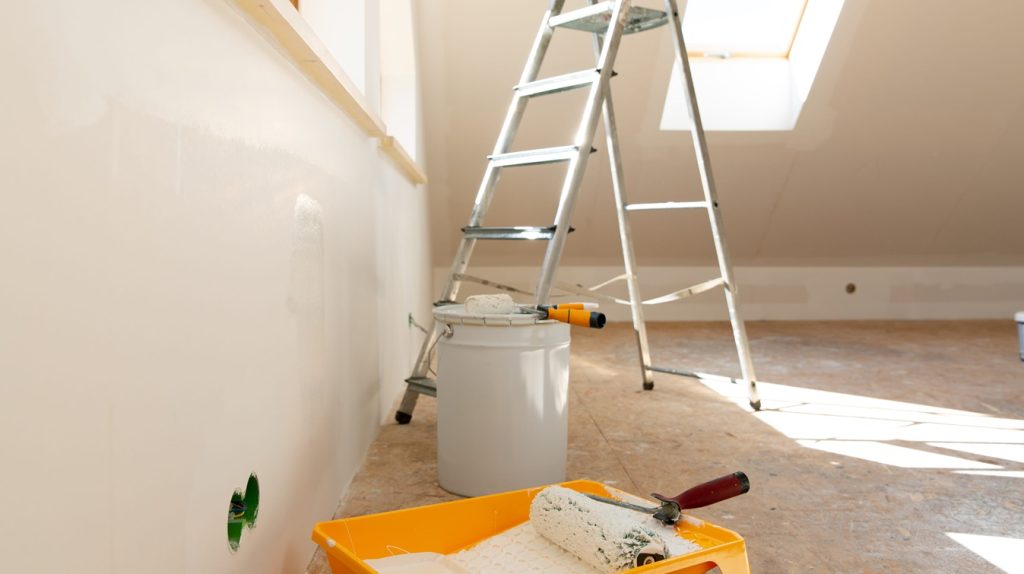
Here is the list of things you can consider before interior painting-
a) Harmony of Design Flow
The hues used in each room of an open-plan house must complement one another and also its other elements, like furniture. To make the house feel unified, there should be a sense of connectedness even when choosing distinct tints. A well-balanced, polished interior can be achieved by considering how each hue changes around the room, how it matches your flooring, and how it interacts with lighting.
b) Effects on Everyday Life
Your routine may be momentarily disturbed when painting the interior of your house. Strong smells may persist if the area isn’t properly ventilated, furniture needs to be relocated, and rooms may be useless for brief periods of time. The procedure can go more smoothly if the project is scheduled around vacations, weekends, or quieter periods.
c) Drying Time and Ventilation
Painting inside requires adequate ventilation. Paint fumes can be trapped in poorly ventilated rooms. Also, a lack of ventilation can slow down the drying process and perhaps affect the surface. A quicker curing time and a healthier atmosphere can be achieved by scheduling the painting in accordance with the weather, openable windows, and room usage. If you’re painting several rooms or residing in the house while the project is underway, this is very crucial.
What are the crucial aspects you should focus on before exterior painting?
Exterior painting might require you to consider several unique factors that include-
a) Seasonal Conditions and the Weather
The weather has a big impact on exterior painting. Paint reacts differently to wind, cold, humidity, and heat. Particularly in Sydney, the weather can change rapidly, with blazing sun one day and coastal moisture the next. When painting in intense heat, the paint may dry too quickly, and when it’s rainy or moist, it won’t cure properly. Professional painters in Sydney select the appropriate season and focus on the daily weather window for a smooth, long-lasting exterior finish.
b) Street Appeal and Colour Selection
Choosing the correct colour scheme is important because the outside colour is what people notice immediately. A well-selected colour scheme may improve street appeal, draw attention to architectural details, and update your house. It must also complement the colour of your driveway, lawn, roof, and other residences. Although bold decisions can look amazing, balance is crucial.
c) Exterior Material Type
Not every outside surface reacts to paint in the same way. Different primers, materials, and methods are needed for brick, render, weatherboard, metal, and cladding. While certain surfaces could require rust treatment or sanding, others might require sealing. Knowing the material makes it easier to select the right paint technique, which has a direct impact on appearance and durability.
Is surface preparation crucial in both interior and exterior painting?
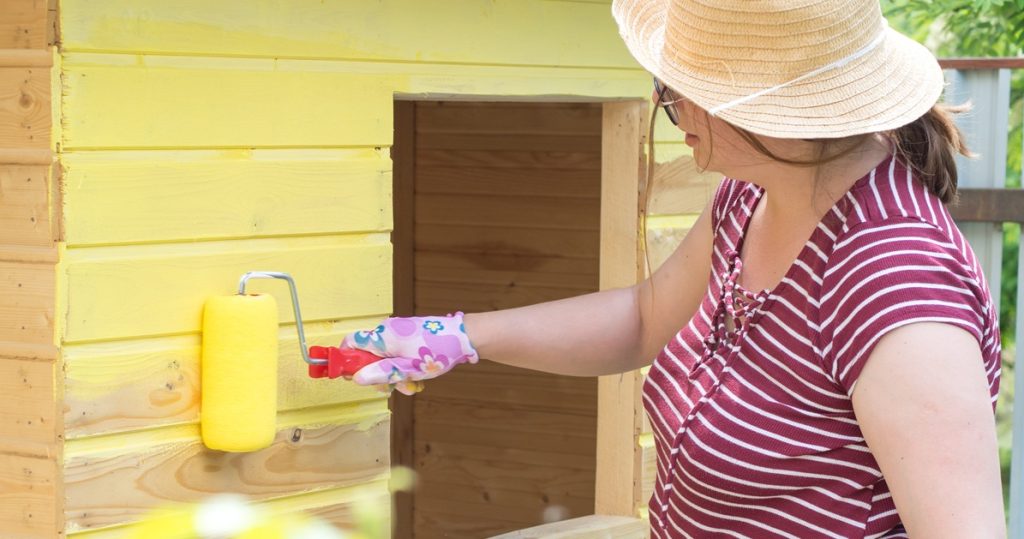
In the preparation phase, achieving a smooth base before paint application should be the major concern for both exterior and interior painting. For that, surface preparation is an undeniable step, no matter the area you are painting.
Interior preparation guarantees a clean, polished, and aesthetically perfect finish. Typically, interior preparation consists of:
- Cleaning walls to get rid of oils, dust, and filth
- Dent, crack, and nail hole filling and repair
- Sanding walls to produce a level, smooth surface
- Primer application for better adherence and consistent coverage
Because of the increased exposure, exterior preparation is more comprehensive. It includes steps like:
- Pressure washing to clear any loose paint, mildew, moss, and grime
- Mending cracks, caulking gaps, and repairing worn wood
- Sanding areas harmed by the sun or moisture
- Using exterior primers that are resistant to weather
Do painting techniques differ in indoor and outdoor areas?
A smooth finish is the goal of both exterior and interior paints. However, the methods and factors are very different.
Indoor Setup: Because lighting and close-up views highlight every imperfection inside, interior painting depends on calm, deliberate motions. Smaller rollers and angled brushes are commonly utilised by painters because they provide greater accuracy in confined locations. A crucial technique is cutting-in, where the painter meticulously delineates the edges prior to filling in the main area. This produces crisp lines around corners, trims, and ceilings. To prevent stains or patchiness, rollers are applied in even, smooth strokes.
Outdoor Areas: Durability and coverage are the main goals of exterior painting. To effectively reach greater areas, painters typically use long-handled tools and larger rollers. Spray guns are often used for large facades or rough surfaces since they provide uniform coatings quickly. Painters modify their tempo based on how quickly the paint dries outdoors because the weather is a major factor.
Case study of transforming a home with exterior and interior painting
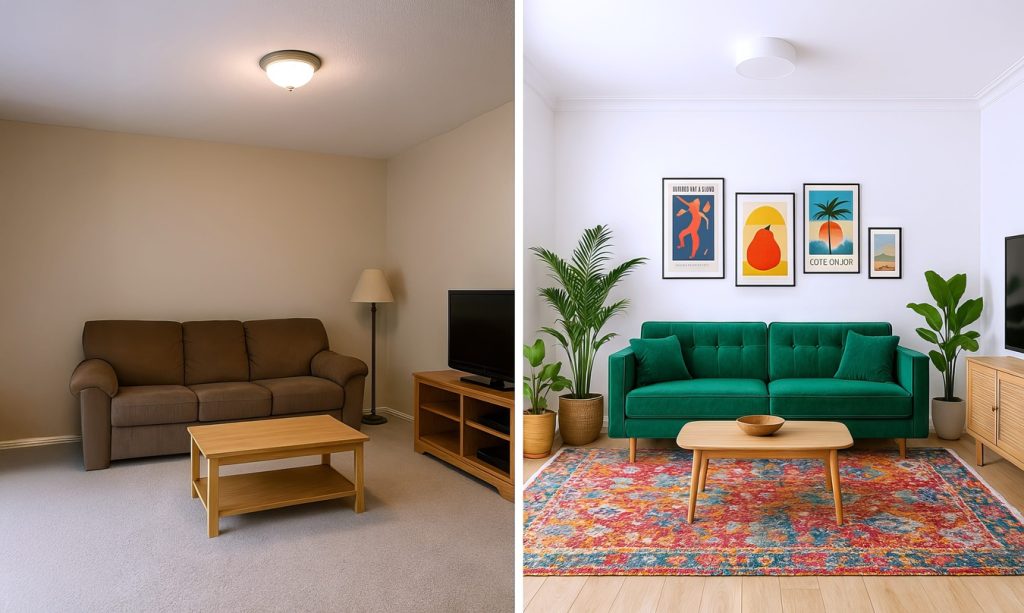
Daniel knew his older house in the northern suburbs of Sydney required a complete makeover when he bought it. The facade had faded severely from years of exposure to the sun, and the walls within were bland. Daniel tried to maintain everything looking acceptable with periodic touch-ups rather than repainting everything right away.
He made the decision to repair a few worn areas on the exterior and minor scuffs in the corridor a few months prior to hiring experts. He utilised an old tin of interior paint that he had found in the garage for both tasks. He thought the colour would merge sufficiently, but it didn’t. The patched parts dried in a distinctly different hue. It was worse outside. The weather was too much for the interior paint to withstand. The outer patches turned uneven and chalky within the first week. What was meant to be a quick fix made the house look more neglected than before.
Daniel hired expert painters after realising that the do-it-yourself method had simply made the issue worse. They started with a thorough evaluation and suggested a full exterior and interior repaint using the appropriate solutions for each surface. They chose a low-sheen, long-lasting coating for the interior that complemented the lighting and design of the house.
The painters employed premium, weather-resistant paints intended for Sydney’s coastal climate for the outside. The house had a completely different appearance as soon as the new hue was applied. The uneven, smooth finish took the place of the blotchy do-it-yourself patches.
The transformation was immediate and genuine. Daniel’s home finally looked polished inside and welcoming from the street.
Conclusion
It is crucial to comprehend the distinct qualities and methods of both exterior and interior painting. Try choosing painting services in Sydney that are experts in both worlds, and among them, Priority One Coatings can be your top choice. Contact the team for a complete makeover of your house.
Frequently Asked Questions
- How much does it cost to paint the exterior vs the interior?
The cost of painting largely depends on the size of the project, its structure and the condition of the surface. To get exact pricing for both exterior and interior painting, request a quote at Priority One Coatings today. - How do I choose the right paint for my interior or exterior project?
When choosing paint for your interior or outdoor project, consider elements including exposure to the elements, surface material, and desired finish. - What is interior and exterior paint?
Paints for interior residences are made especially for indoor use and are meant to endure normal indoor conditions. However, exterior house paints are designed for outdoor use, which can prevent weather damage. - How often should I repaint my interior or exterior surfaces?
Repainting should be done every five to seven years for interiors and every seven to ten years for exteriors. However, it also depends on factors including the quality of the previous paint work, exposure to wear and tear, and personal choice. - Can interior paint be used for exterior?
No, you shouldn’t use interior paint outside since it will quickly fade, crack, and leak due to the weather. Its composition and finish can be quite different and unsuitable for exterior needs.