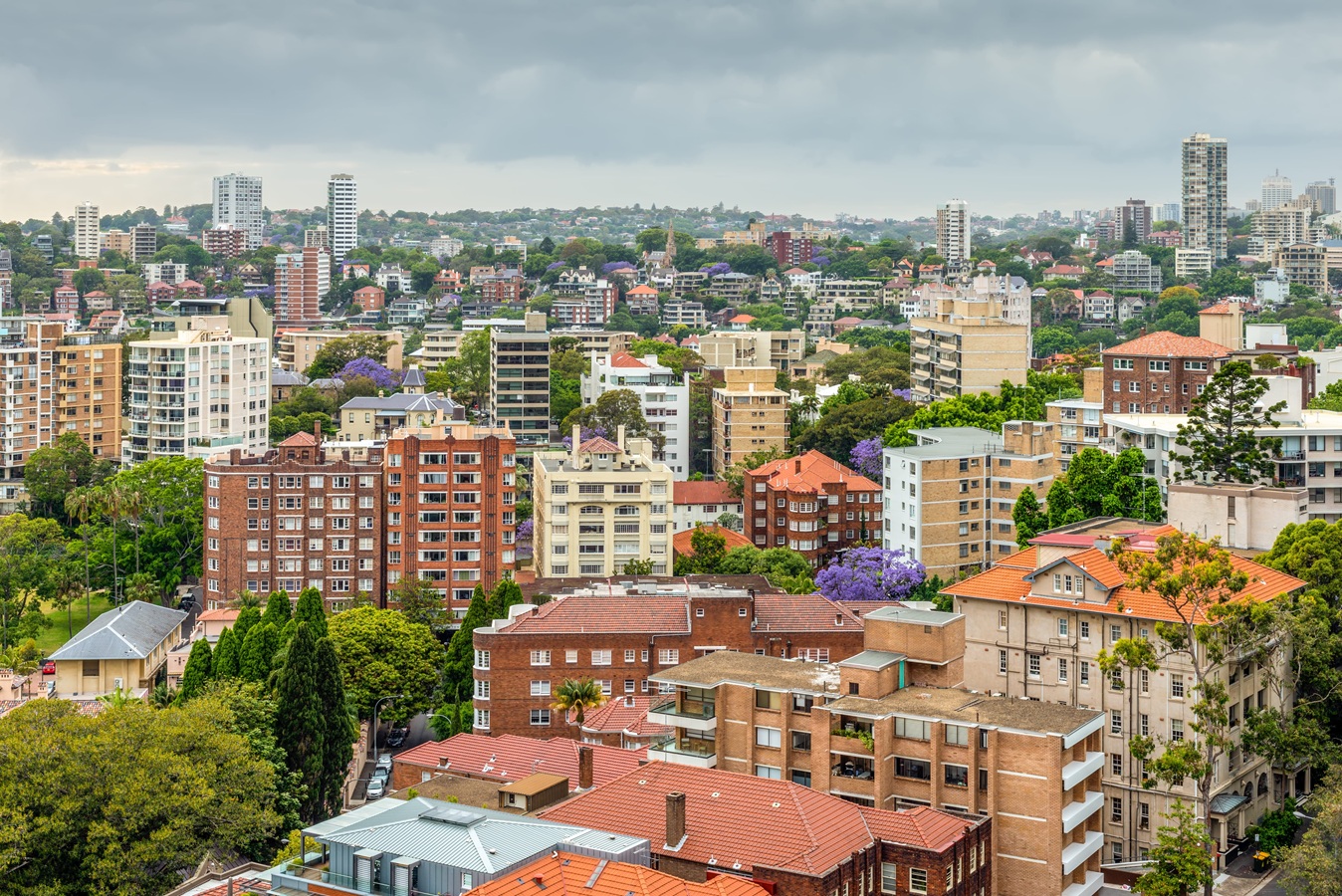
Painting can give any commercial building a sleek, professional look. If you are a business owner or property manager planning to paint your property, one question will naturally come to mind: how much does it cost? To answer this properly, you need to understand the painting requirements in depth. This guide explains the key factors that can impact commercial painting pricing, how to estimate the real cost, and what to consider before requesting a quote.
Factors That Impact Commercial Painting Cost
How much a commercial painting project will cost depends on a wide range of factors. Understanding these details can help you estimate the right cost and avoid hidden expenses.
Size of the Building
The size of the building plays an important role in estimating painting cost. The cost will vary depending on the total square footage or square metres you want to paint or repaint. You can calculate the area by multiplying the length by the height of the total space. After that, measure the area of doors and windows to determine the exact paintable surface. Larger areas require more paint, labour hours and materials, increasing the overall project cost.
Interior vs Exterior
Commercial painting costs typically vary for interior and exterior projects. Exterior painting often requires more equipment, including scaffolding and access systems for safety. Exterior walls may also need intensive repairs and surface preparation due to weather damage. Weather conditions can delay exterior work and increase labour costs. Across Australia, material costs for interior commercial painting may range between $10 and $30 per square metre, depending on the project requirements.
The Condition of the Building
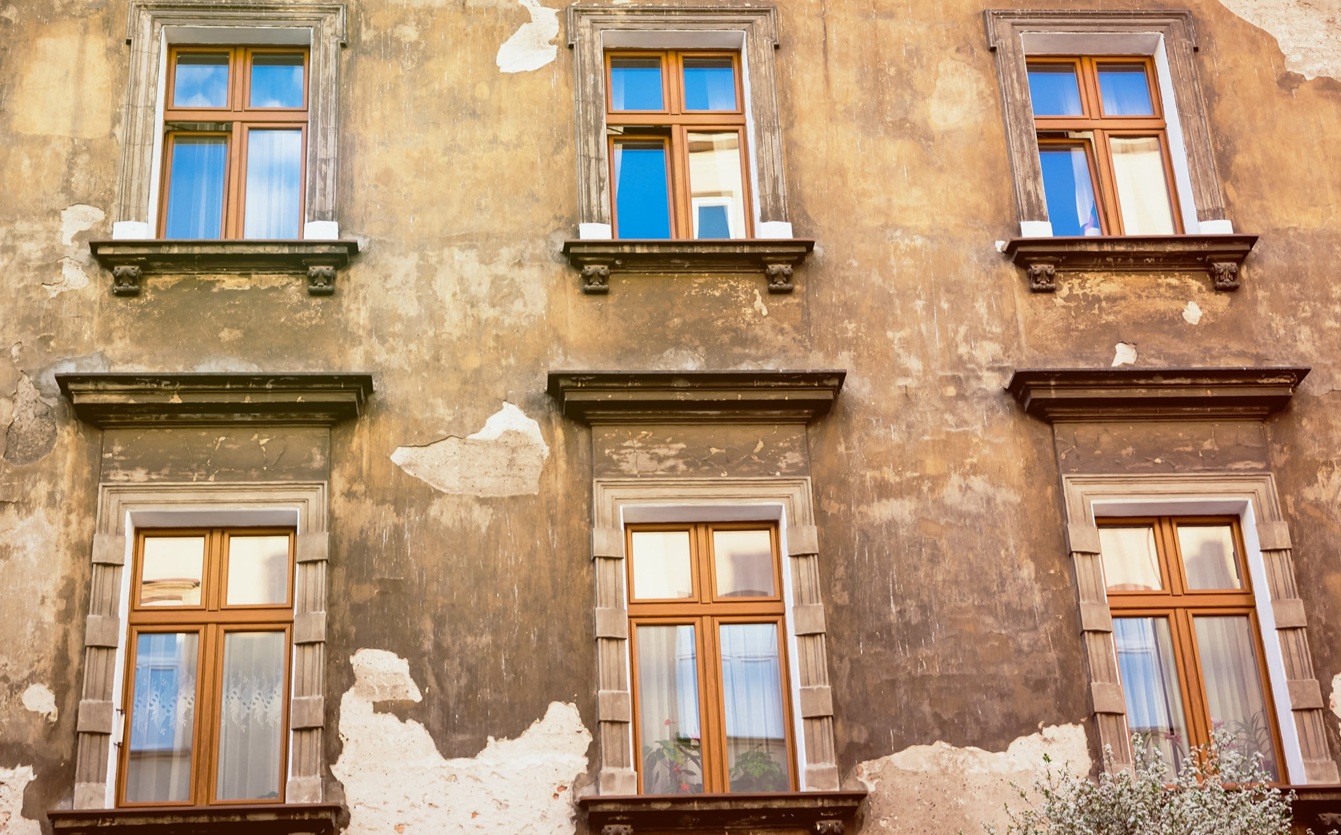
The painting cost can fluctuate depending on the features and condition of a building. Commercial paint jobs on different structures can present different challenges. If the building has only minor cracks and holes, painters may cover them with standard preparation work. However, older buildings with larger holes, cracks or surface defects require more extensive preparation. Commercial spaces with textured coatings may also need more paint for proper coverage, which can increase the cost.
Building Design
If your building has a complex design or you want to execute a creative finish, the painting cost may increase. This does not mean you need to avoid creative designs. A thoughtful design can make your property look more striking and help it stand out from nearby commercial spaces.
Quality and Type of Paint
Paint quality and type have a significant impact on the overall painting cost. High-quality paint usually provides better coverage and a longer-lasting finish, but it is more expensive. Satin, eggshell, high gloss and flat finishes are all available, and their costs vary. The right paint type and quality should be selected according to your property requirements, expected wear and desired finish.
Number of Coats
The number of coats applied is another crucial factor that impacts commercial painting cost. A dramatic colour change may require additional coats. Some surfaces may also need more coats to achieve adequate coverage. Depending on the application method, 1 litre of paint can cover approximately 6.5 square metres in one coat. More coats require more paint and more labour, increasing the cost of the paint job.
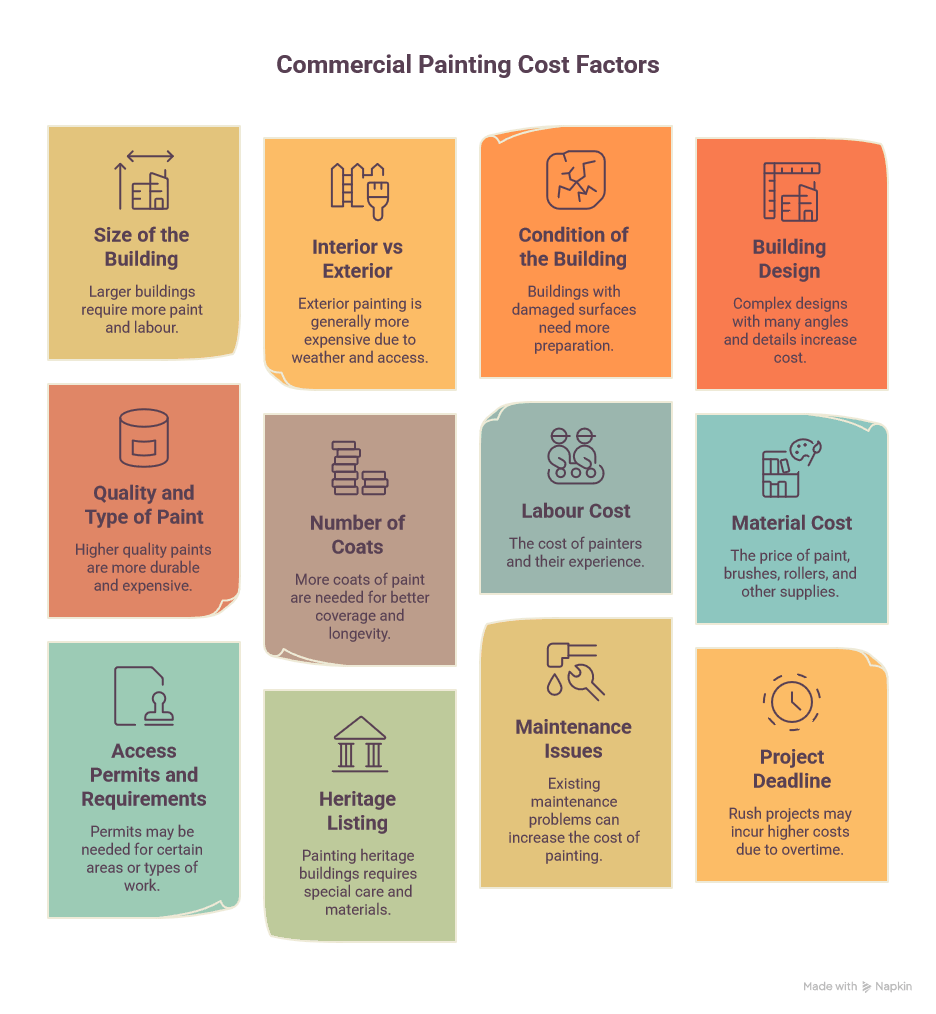
Labour Cost
Labour cost is one of the most important factors in determining any painting cost. It is generally calculated on an hourly basis. Preparation and after-work time are also considered working hours. Cleaning the area before and after painting, priming, caulking and scraping can all be included in the final cost. On average, labour may range from $45 to $60 per hour and can extend up to $100 to $150 per hour for complex exterior work.
Material Cost
Materials and tools must be included when calculating the real commercial painting cost. A detailed supply list may include brushes, rollers, ladders, paint trays, painter’s tape, scaffolding, drop cloths, pan liners and other painting supplies. Power washer rental, fuel, insurance, travel, lodging and mileage can also affect the final project cost, especially if the painters need to travel a long distance.
Access Permits and Requirements
Some projects may require specialised equipment and access arrangements to minimise risks to tenants, workers and the public. This can add extra cost to the painting project. Costs can also increase if permits are needed to access footpaths, rail areas or other public spaces around the building.
Heritage Listing
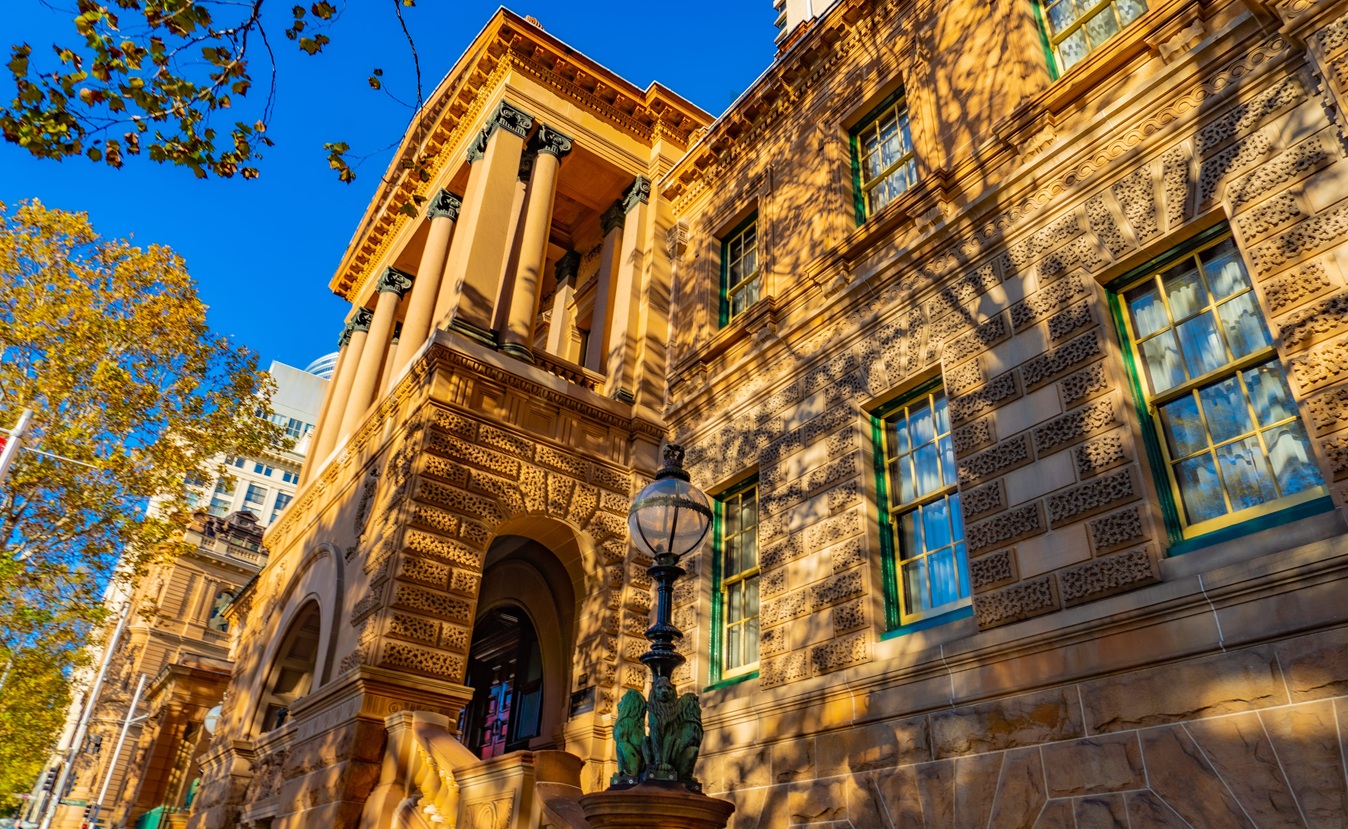
If the commercial building is heritage-listed, it will require special care. Any professional commercial painting contractors in Sydney need the right expertise and training to work on older structures while protecting their historical value. Requirements may include colour scheme approval, lead paint management and careful treatment of existing paint layers.
Maintenance Issues
If a property has not been properly maintained, commercial painting expenses may increase. Issues such as water damage, efflorescence, lead paint, leaks, foundation failure and concrete cancer can affect the structural integrity of the building. If these problems are not resolved before repainting, they may create health and safety risks and reduce the durability of the new finish. Painting contractors usually perform a site visit to assess these maintenance issues and include them in the final quote.
Project Deadline
When a painting project must be completed within a tight timeframe, the cost can increase. Business operations may be paused during painting and cannot always continue until the project is completed. That is why meeting deadlines is an important aspect for commercial and industrial painters. Some Sydney painting services can work at night or during weekends to reduce business disruption, but premium charges may apply.
Cost Breakdown by Different Phases
Breaking the price down by job phase can help you understand the transparency of a quote. When estimating commercial painting cost, preparation, priming and painting, cleaning and inspection are the main phases to consider.
Preparation
The preparation and priming phase includes everything needed to prepare surfaces for painting. This includes caulking, crack filling, drywall patching and covering unpainted surfaces. Thorough washing may also be performed to remove oil, debris and peeling paint to support proper paint adhesion. On average, preparation can account for 15% to 25% of total project expenditure. Make sure quotations specify the exact preparation procedures included.
Priming and Painting
Most project expenses occur during the painting phase. Priming and coating usually involve the highest labour and material costs. The project duration, number of coats and painter’s hourly rate all affect labour expenses. Material prices vary depending on the type, quality and quantity of paint needed for sufficient coverage. Labour may account for 30% to 40% of the painting phase cost, with paint and supplies making up the remaining 60% to 70%.
Cleaning and Inspection
After painting is completed, workers clean the area, remove waste and perform a final quality check. Around 5% of the overall work cost may be charged separately for clean-up. Final inspections help ensure the work meets requirements for completeness, quality and colour consistency before handover.
How Can Commercial Painting Costs Be Estimated?
With a few simple steps, you can estimate the total painting cost. First, measure the square footage or square metre area you want to paint. Then estimate the total working hours, including preparation and after-work tasks. Add the cost of any special equipment required for the project and calculate the amount of paint needed. Finally, tally the total hours required to complete the job and multiply them by the painting company’s hourly charge. Adding these figures together can help you estimate the total expenditure.
Tip: For a more accurate estimate, request a site inspection from a professional commercial painting company. A site visit allows painters to assess access requirements, surface condition, repairs, coating type and project timing before preparing a detailed quote.
Average Commercial Painting Cost
Every commercial space is different, so painting costs vary. Without consulting professional painters, it is difficult to know the exact cost. As a general example, a 1,500-square-metre property in good condition may cost between $5,000 and $10,000 to paint using a brush-and-roll two-coat method. For ceilings and walls, this may work out to approximately 33 to 67 cents per square metre, depending on project conditions and inclusions.
Final Thoughts
Painting a commercial space demands careful planning, preparation and professional execution. By considering the factors above, you can better understand the likely cost of painting your commercial property. If you need help from expert and reliable commercial painters in Sydney, Priority One Coatings is ready to support your project with professional advice and quality workmanship.