
Painting Commercial Building: The Best Practice Guide
May 20, 2026

Nothing refreshes a commercial property like a well-executed paint job. Whether it’s a large retail centre, a small office complex, or an industrial warehouse, the right painting approach can completely transform the way customers, tenants and employees feel when they walk through your doors. Although many business owners think of painting as a simple maintenance task, professionals know it is far more strategic. A carefully planned painting project improves brand identity, boosts property value, strengthens structural protection and creates a lasting first impression that sets Australian businesses apart in a competitive market.
Throughout this article, you’ll discover practical steps, informed insights and industry-proven best practices used by professional painters in Sydney and all over Australia. This guide aims to help property owners and project managers plan the next painting project with clarity and confidence. Let’s break down the process the way professionals do.
How Often Should You Repaint a Commercial Building?
Depending on the building type, surface materials and exposure to weather, the ideal repainting frequency varies. For example, offices in metropolitan Melbourne or Sydney may not deteriorate as quickly as coastal cafés in Cairns or holiday parks near the Gold Coast. Still, most industry experts agree on the following recommendations:
- Exterior walls: Every 5–10 years
- Timber surfaces: Every 3–7 years
- Metal cladding: Every 5–10 years
- Interior walls: Every 3–5 years, depending on traffic
- High-touch zones: As needed, often every 1–2 years
Evaluating Your Building Before You Begin
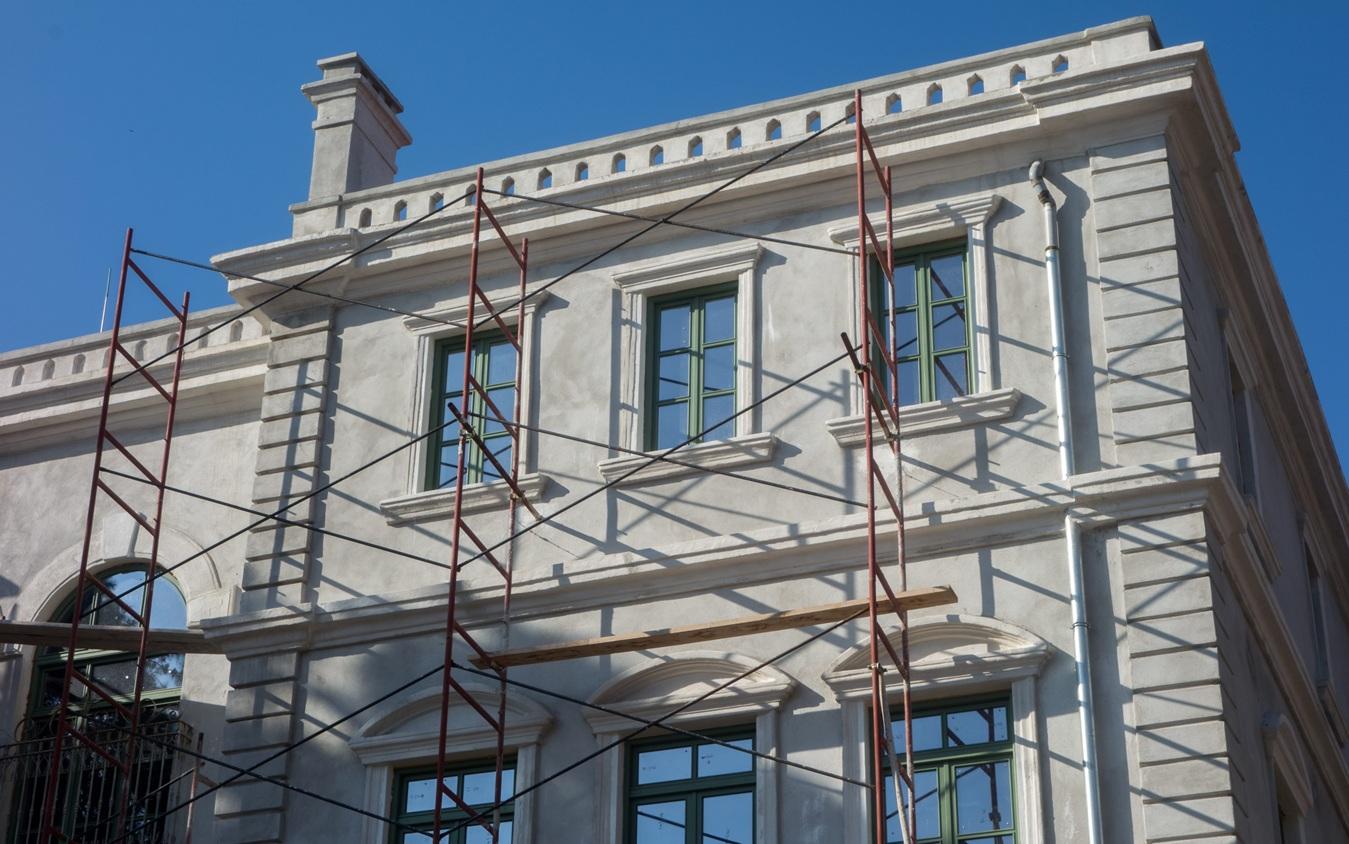
Before any brush or sprayer touches your surfaces, an assessment is essential. Experienced painters spend a significant portion of project time examining the building because identifying issues early prevents surprise delays and budget blowouts later.
Start by walking around the perimeter of your building. You’ll want to look for bubbling paint, cracks, peeling layers, chalking, mould patches, rust spots, warping timber or areas that feel damp. If your building is older—particularly those constructed before the 1980s—it’s wise to check for asbestos materials. Asbestos must only be handled by licensed professionals, and painting over it without proper sealing can lead to long-term safety issues.
In some cases, owners skip the assessment stage and jump straight into painting, only to find that the new layers don’t adhere properly or that underlying damage becomes worse. Surface preparation is the foundation of every successful project, and it’s an area where expert oversight becomes invaluable.
Creating a Realistic Project Plan
If your business operates seven days a week or has peak trading hours, you’ll want to map out a painting schedule that minimises inconvenience. Many painting teams offer after-hours or weekend work specifically for this reason. By building your plan around your operating hours, you protect revenue while allowing painters to complete their work efficiently.
Weather plays a huge role, too. In Australia, humidity, rain and extreme heat all influence how paint cures and adheres. For example, painting during the high-humidity season in Queensland is very different from painting during the crisp winters of Victoria. Each climate requires planning to ensure the best long-term durability.
Safety should also be embedded into your plan. A professional team will know how to manage scaffolding, electrical hazards, traffic around the site and workplace safety guidelines. Whether you’re repainting a two-storey shopfront or a large multi-level complex, a comprehensive project plan prevents headaches and accidents.
Preparing the Surfaces Properly
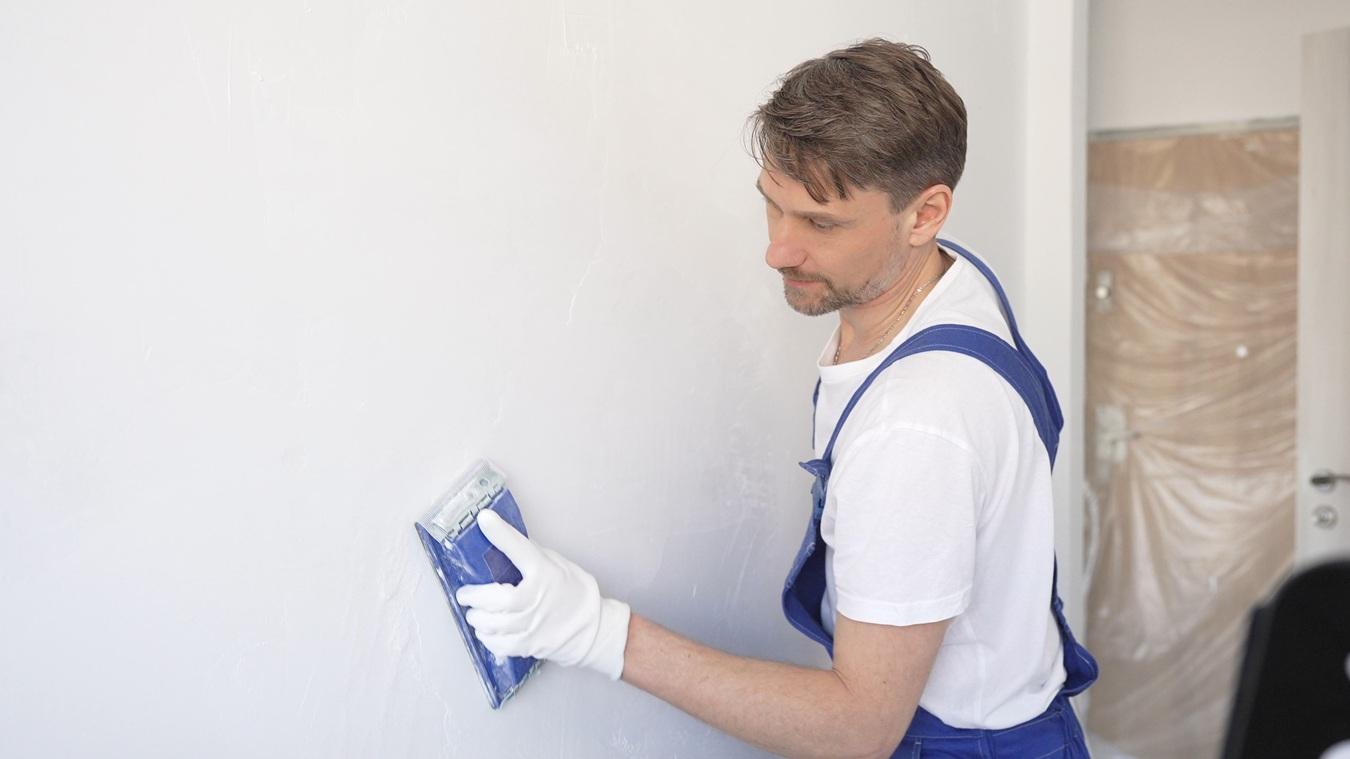
Preparation determines more than half of the finished result. A rushed preparation stage almost always leads to peeling paint, uneven surfaces, and diminished lifespan of the coating.
Here’s what a thorough preparation process looks like:
- Deep Cleaning
Pressure washing removes dirt, dust, pollution, oil residues and mould spores. This gives fresh paint a clean base to cling to. In industrial environments, degreasing is often needed before washing. - Sanding and Smoothing
Sanding removes loose paint, smooths rough patches and creates a surface that allows the new coat to bond properly. Different surfaces require different sanding grades, and professionals adjust techniques accordingly. - Repair Work
Any cracks, gaps, holes or rotten sections must be repaired before painting begins. Caulking gaps around windows and joints prevents water intrusion, while patching compounds help level damaged areas. - Priming
Primer acts like glue between the surface and the paint. It seals porous areas, covers stains and boosts paint adhesion. In some cases, specialty primers—such as anti-mould, anti-rust or high-bond primers—are essential.
Choosing the Right Paint
Selecting paint isn’t as simple as choosing a colour chart. For commercial buildings, durability and performance are just as important as visual appeal. Australian conditions demand products that can withstand harsh weather extremes, high UV exposure, salt spray, heavy foot traffic and long operating hours.
Here’s what to consider when choosing paints:
Exterior Areas
Exterior paints must resist blistering, fading and cracking. Acrylic-based paints are popular for commercial exteriors because they’re flexible and UV-resistant. If your building has metal surfaces, a protective anti-corrosion coating is essential.
Interior Workspaces
Interior areas differ depending on their use. High-traffic corridors and public areas need washable, scuff-resistant finishes, while offices may benefit from low-VOC paints that improve air quality.
Specialised Coatings
Warehouses, hospitals, kitchens, chemical facilities and childcare centres require coatings with special properties such as antimicrobial protection, chemical resistance, slip reduction or fire-retardant qualities.
Ensuring Safety Throughout the Painting Process
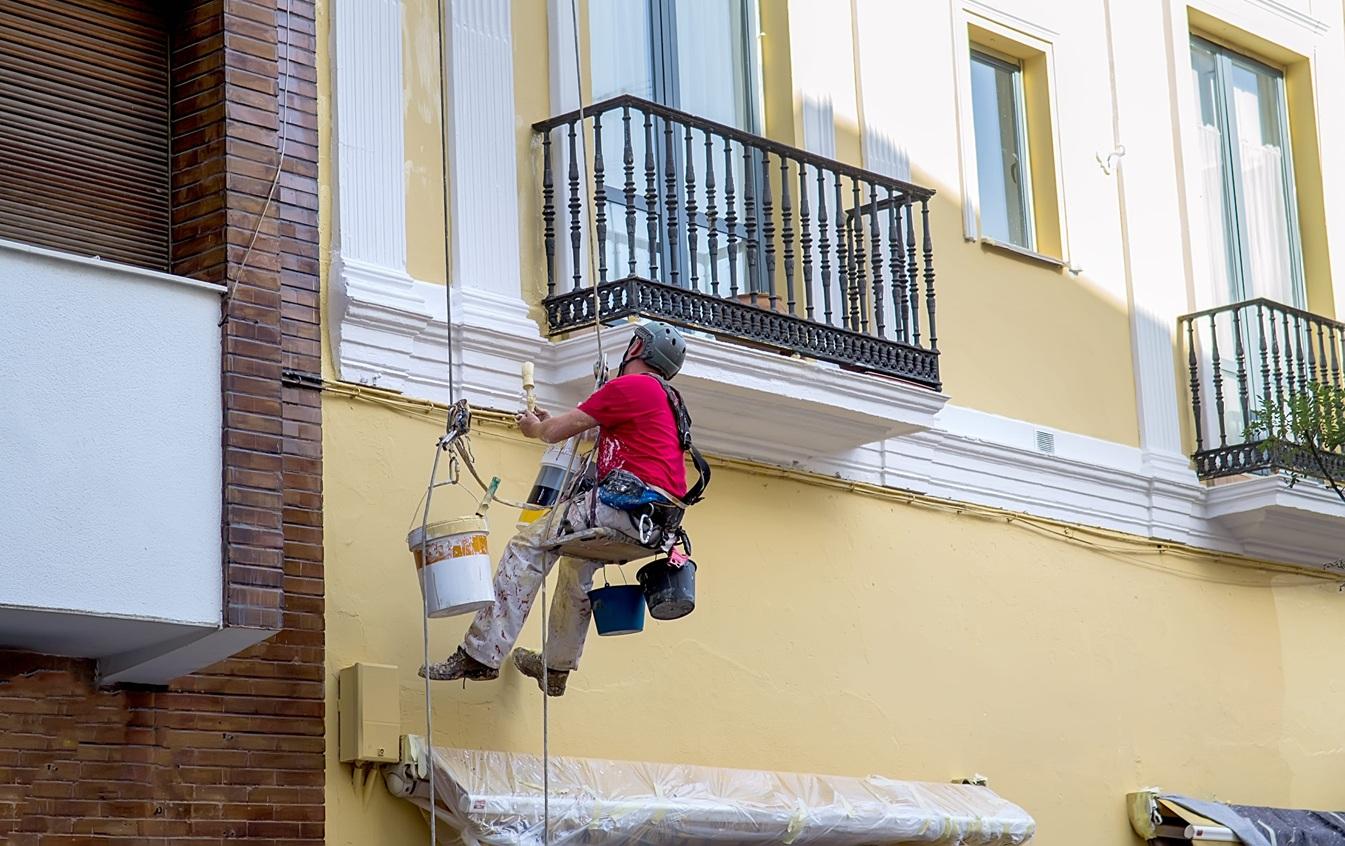
Safety is the foundation of all commercial painting jobs, particularly in multi-level buildings or industrial settings. It is the responsibility of the business owner to ensure that the contractors adhere to safe working procedures and Australian WHS legislation.
Professional teams will implement:
- Safe scaffolding and elevated work platform handling
- Hazard communication and signage
- Electrical safety precautions
- Ventilation control for interior jobs
- Dust and debris management
- Traffic redirection plans
- PPE for all workers
Proper safety planning not only protects workers but also prevents injuries to customers, employees and visitors. A painting project shouldn’t expose your business to unnecessary risk.
Maximising Longevity After the Paint Job
Once your building has been refreshed, protecting your investment becomes the next priority. Maintenance plays a huge role in ensuring your paint job lasts.
Consider these upkeep tips:
- Wash the exterior yearly to remove dust, pollution and mould
- Inspect high-risk areas for peeling or cracking
- Touch up damaged sections quickly
- Maintain gutters and drainage to prevent water staining
- Reapply sealants when necessary
A little attention each year can add multiple years to the lifespan of your new coating.
Choosing a Skilled Painting Team
Finding the right painters is the single most important decision you’ll make. While many companies offer commercial painting, not all have the experience, equipment or techniques required for large-scale projects.
When selecting a painter, be sure to check:
- Experience with buildings similar to yours
- Licensing and insurance
- Portfolio of previous commercial projects
- Product knowledge
- Clear timelines and cost breakdowns
- Safety certifications
- Warranty options
Commercial painting contractors in Sydney will help ensure your project is handled by a team with the right expertise and understanding of local standards.
Sustainability and Eco-Friendly Painting Practices
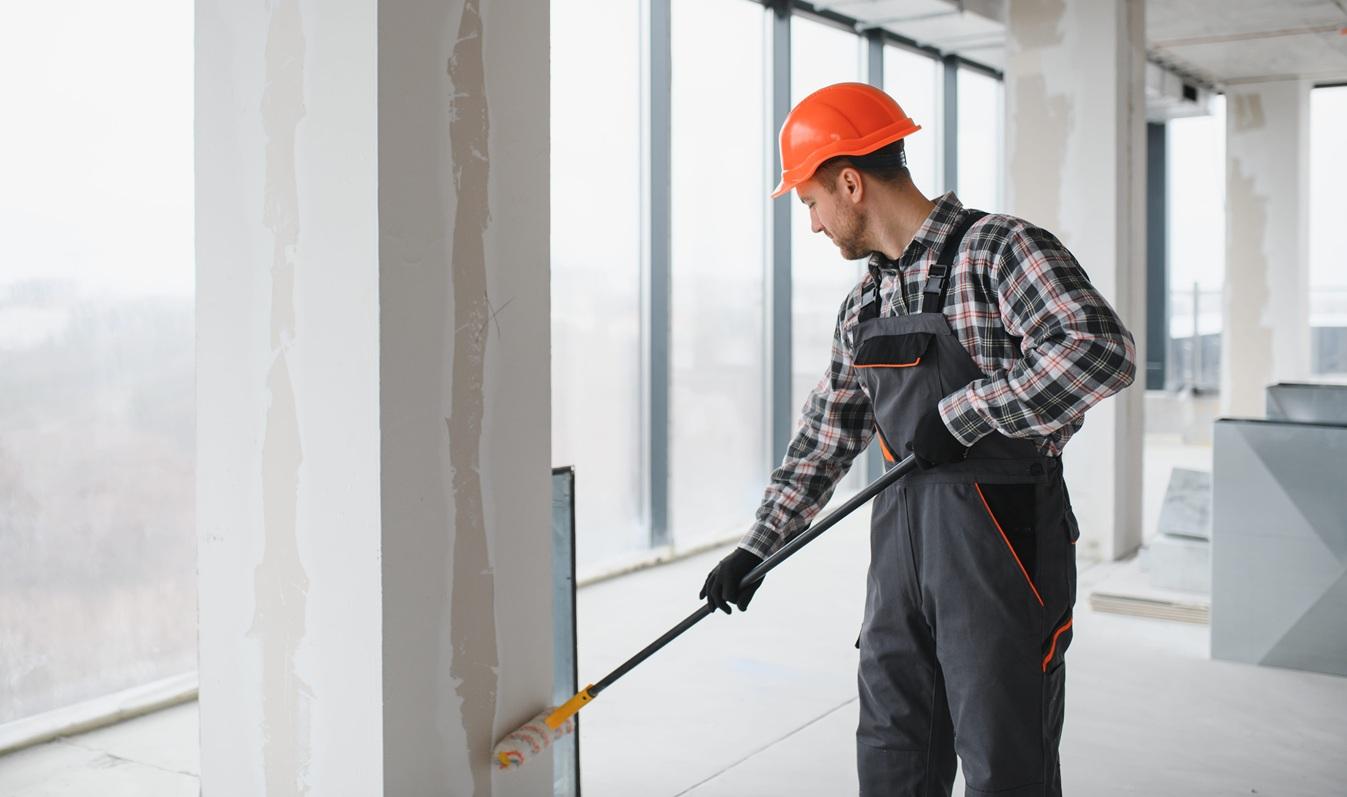
Sustainability is increasingly important for Australian businesses—not just as a marketing advantage, but as a genuine commitment to reducing environmental impact. Many customers actively choose brands that demonstrate ethical and eco-conscious choices, and property appearance is a visible part of that story. A sustainable painting strategy improves indoor comfort, reduces waste, protects worker health and reflects well on your company’s values.
Use Eco-Friendly and Low-VOC Paints
Low-VOC (volatile organic compound) paints emit far fewer chemical fumes than traditional paints. These odours are not only unpleasant; they can also trigger headaches, allergies and respiratory irritation in staff or customers. Using low-VOC products keeps indoor environments safer and allows the building to be reoccupied more quickly without lingering chemical smells. Modern formulations perform just as well as traditional paints, offering excellent durability and coverage. In offices, childcare centres, clinics and hospitality venues, low-VOC coatings create healthier spaces and a far more comfortable work environment.
Choose Products with Longer Lifespans
Long-lasting coatings contribute significantly to sustainability by reducing the frequency of repainting. Fewer repaints mean fewer materials used, less transport, less labour and less waste. High-quality paints also offer stronger UV resistance, making them ideal for Australian conditions. By selecting superior products—such as elastomeric coatings, weather-shield exteriors, or premium acrylics—you protect your building for years to come. This reduces environmental impact and supports responsible long-term asset management.
Supporting Your Brand Image Through Sustainability
Sustainability is not just about ticking boxes—it influences how people feel about your business the moment they walk through the door.
Choosing greener painting practices sends a strong message that your organisation cares about community wellbeing, environmental impact and long-term stewardship of its property. In a competitive market, these values help you stand out while also delivering practical day-to-day benefits.
Conclusion
Every commercial building tells a story the moment someone sees it, and paint is one of the most powerful tools to shape that story. A clean, vibrant, well-maintained building communicates professionalism, care and credibility—qualities that set successful Australian businesses apart.
By understanding the best practices outlined in this guide, you’ll be armed with the knowledge you need to plan a project that not only enhances aesthetics but also strengthens protection, lowers maintenance costs and builds long-lasting trust with customers and tenants.