
How to Clean Up Lead Dust Safely: A Sydney Homeowner's Guide
November 18, 2026
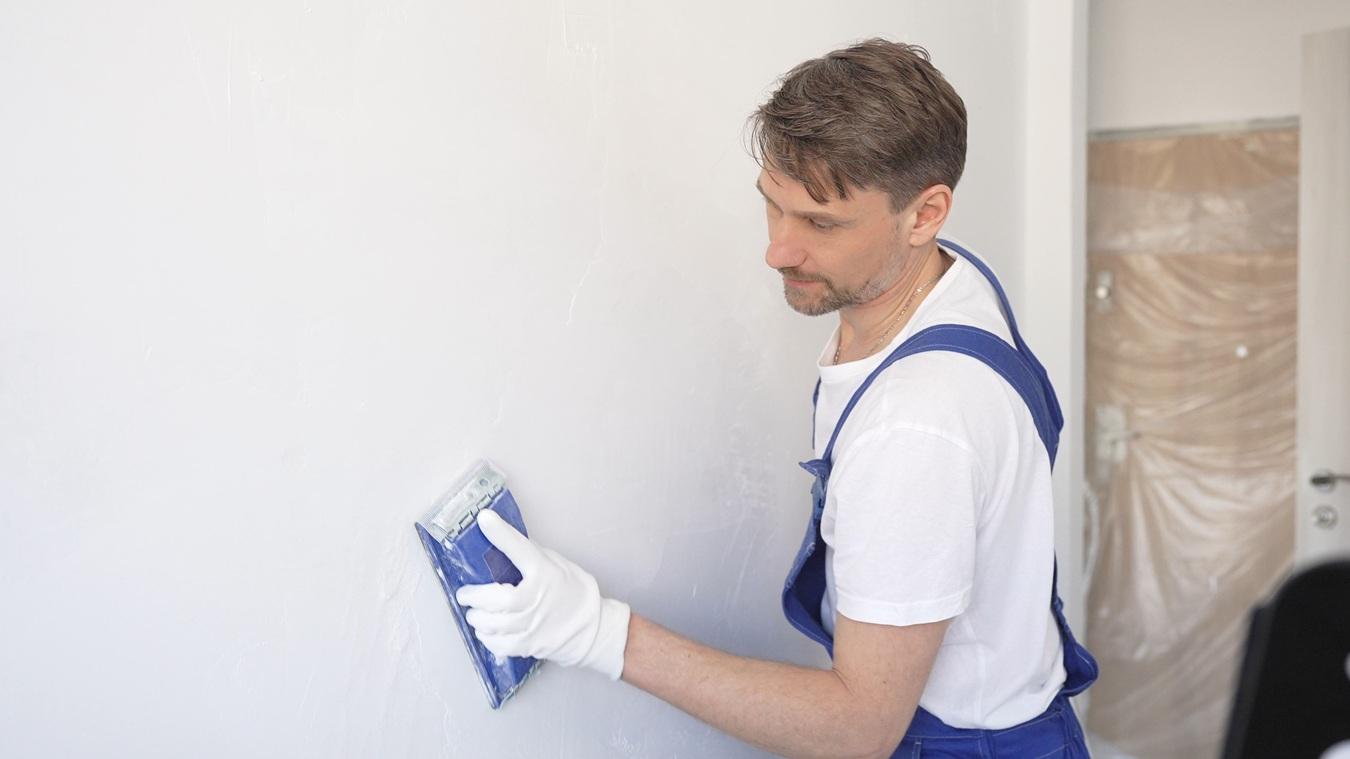
Lead dust is easy to miss in older Sydney homes, especially after a renovation, sanding job or repairs that disturb old paint. You often can’t see it, but fine lead particles settle on floors, window sills, furniture and benchtops. Once disturbed, they get back into the air and can put your family’s health at risk.
If young kids or a pregnant woman live in the house, knowing how to handle lead dust cleaning properly matters even more. This guide covers how to clean up lead dust safely, which cleaning methods to avoid, when to call in a professional and why clearance testing matters.
The short answer: To clean up lead dust safely, keep kids and pets out, use a HEPA vacuum (not a household vacuum), wipe surfaces with damp disposable cloths and wet-mop the floors, HEPA vacuum again once dry, and bag the waste. For large areas or after a renovation, use a professional and get a clearance test.
How to Clean Up Lead Dust Safely: Step by Step
Cleaning up lead dust takes more care than everyday housework. The aim is to collect the dust and get it out of the house without spreading it into other rooms.
These steps are for small amounts of recently settled dust. If the dust came from a renovation or covers a large area, skip to DIY or professional help.
1. Keep Kids and Pets Away
Before you start, move kids, pets and anyone else out of the area.
Young children are most at risk because they touch the floor and then put their hands or toys in their mouths. Pets can carry dust through the house on their paws and coats.
Close the door to the room if you can, and don’t walk through the area or carry dust into clean parts of the house.
2. Protect Yourself
Wear gloves, clothes you can wash straight away (or disposable overalls) and a properly fitted respirator. A paper dust mask won’t stop fine lead dust.
If you’re not sure how bad the contamination is, get a professional assessment rather than tackling a big clean-up yourself.
3. Vacuum With a HEPA Vacuum
A vacuum with a HEPA filter traps fine lead dust instead of blowing it back into the room the way a normal household vacuum can.
Pay attention to:
- Floors and the edges of the room
- Window frames and window sills
- Skirting boards and architraves
- Shelves and other flat surfaces
- Furniture and hard-to-reach spots
Don’t use your everyday vacuum. It can push fine particles straight back out the exhaust.
4. Wipe Hard Surfaces With Damp Cloths
After vacuuming, wipe hard surfaces with damp disposable cloths.
Wipe rather than dust or brush, and swap to a fresh cloth often so you’re not spreading dust from one surface to the next. Give window sills, skirting boards, benchtops and furniture extra attention.
NSW LeadSmart recommends damp cloths for surfaces and wet mopping for floors as part of everyday lead-safe cleaning.
5. Wet-Mop the Floors
Use a wet mop, not a broom, on hard floors.
Wet cleaning stops settled dust from getting back into the air. Change the water when it gets dirty, and don’t carry the bucket or mop through clean rooms.
6. Go Over It Again
One clean doesn’t mean all the lead dust is gone.
Do another round of HEPA vacuuming and wet cleaning, and check corners, edges, gaps between floorboards and any surfaces you missed the first time.
7. Bag the Waste
Used cloths, gloves, disposable overalls and vacuum debris can all contain lead.
Seal them in heavy-duty plastic bags without shaking or dropping them. Lead-contaminated renovation waste shouldn’t go in the household bin without checking the disposal rules with your local council.
8. Wash Up and Change Your Clothes
When you’ve finished, wash your hands and face before you eat, drink or pick up the kids. Take off your work clothes and shoes before going into clean parts of the house, and wash those clothes separately from the rest of the family’s laundry.
What Is the Best Thing to Clean Lead Dust With?
The best approach combines a HEPA vacuum with damp wiping and wet mopping. Each does a different job:
- HEPA vacuum: captures fine dust from floors and surfaces
- Damp disposable cloths: remove dust from window sills, furniture, benchtops and other hard surfaces
- Wet mop: cleans floors without stirring up dust the way a broom does
- Detergent and water: helps lift dust from washable hard surfaces
Just as important is knowing what not to use:
- A normal household vacuum
- A broom or dustpan
- A feather duster or dry cloth
- Compressed air
- A leaf blower
These spread the dust around instead of removing it.
For more, see the NSW Government’s LeadSmart hygiene and cleaning advice.
How Long Does Lead Dust Stay in the Air?
There’s no set time after which lead dust becomes harmless.
Fine particles can hang in the air for a while before settling on floors, furniture, window sills and in hard-to-reach places like the ceiling space and roof void.
Settled dust doesn’t go away on its own. Walking around, sweeping, opening doors and windows or moving furniture stirs it up again.
So waiting for the dust to settle isn’t a clean-up plan. Lead dust has to be collected, wet-cleaned and, where needed, professionally checked with a clearance test.
How Harmful Is Lead Dust?
Lead is a toxic metal. It gets into the body when people breathe in dust or swallow it from their hands, food or household surfaces.
Young children are most at risk because they touch the floor and put their hands and toys in their mouths. Lead exposure in childhood can affect brain development, learning and behaviour.
Pregnant women also need to take extra care, because lead can affect the unborn baby. Adults can be affected too, especially after heavy or repeated exposure.
If you’re worried someone in your household has been exposed to lead, talk to your GP. They can arrange a blood lead test if needed.
Where Does Lead Dust Hide in Older Sydney Homes?
Lead dust isn’t always visible, and it often settles where everyday cleaning misses it. In older Sydney homes, check:
- Window frames and window sills: old paint wears down every time the window opens and closes
- Skirting boards and architraves: dust collects along edges and mouldings
- Floorboards and the gaps between them: fine particles settle in cracks and corners
- The ceiling space and roof void: decades of dust can build up out of sight
- Furniture and shelves: flat surfaces collect dust from the air
- Soil along the outside walls: flaking exterior paint ends up in the garden beds
Homes built before the 1970s need the most care, because older paints can contain a lot of lead.
Sydney has plenty of these homes, from Federation houses to the terraces of the Inner West. Renovating one without first checking for lead paint can expose your family to lead dust you didn’t know was there.
If you’re planning to sand, scrape or strip old paint, get it tested before you start.
DIY Lead Dust Cleaning or Professional Help: Which Do You Need?
The right approach depends on how much dust there is, where it came from, how big the area is and who lives in the house.
| Situation | What to do |
|---|---|
| A small amount of recently settled household dust | Careful wet cleaning with the steps above |
| Dust after minor maintenance | Work out where it came from and how far it spread before you clean |
| Dust from sanding or scraping old paint | Get a professional assessment and controlled clean-up |
| Dust right through the house after a renovation | Call an experienced lead removal professional |
| Dust in the roof void or other hard-to-reach spaces | Get a professional assessment and specialist cleaning |
| Young kids or a pregnant woman live in the home | Take extra care and get professional advice |
| A failed clearance inspection | Clean again and re-check |
The key difference is between everyday cleaning and cleaning up after old paint has been disturbed. Once paint has been sanded or scraped, wiping away the dust you can see usually isn’t enough. It spreads beyond the work area and settles in places that are hard to check.
If in doubt, get a professional assessment.
How Professional Lead Dust Cleaning Works
Professional lead dust removal goes well beyond vacuuming and wiping. It’s a controlled process designed to stop the dust spreading through the property. It usually includes:
- Assessment and testing: the area is checked for lead using test kits and, where needed, accredited laboratory testing.
- Containment: the work area is sealed off, and entrances and surfaces are covered so dust can’t get into other rooms.
- Controlled removal: the right equipment captures dust at the source.
- Thorough cleaning: HEPA vacuuming and wet cleaning remove what’s left.
- Waste disposal: contaminated material is sealed and taken away for proper disposal.
- Final inspection and clearance: the work is checked, with clearance inspection and air monitoring where needed, to confirm it’s complete.
This process deals with both the dust you can see and the fine dust everyday cleaning misses.
If your home needs more than a routine clean, professional lead paint removal in Sydney deals with the source of the problem as well as the clean-up.
Clearance Testing: How Do You Know the Lead Dust Is Gone?
One of the biggest worries after lead paint removal or a renovation is whether the house is really safe to move back into.
A room can look spotless and still have lead dust in it. That’s where clearance testing comes in.
A clearance inspection happens after the removal and clean-up to check that the area has been properly cleaned. Depending on the job, it can include surface checks and air monitoring. If it finds dust left behind, the area is cleaned again and re-checked.
For families with young kids, it’s real peace of mind. Instead of going by how the room looks, you have a proper check of the finished work.
Ask your contractor whether a clearance inspection is included in the quote.
What Affects the Cost of Lead Dust Cleaning?
The cost of professional lead dust removal varies from home to home. The main things that affect it are:
- The size of the area: bigger areas take more time, equipment and materials
- The number of rooms: more rooms mean a bigger job
- The roof void and hard-to-reach spaces: these need special access and extra precautions
- Soft furnishings: carpets, curtains and lounges may need separate treatment
- How much dust there is: heavy contamination needs more containment and cleaning
- Clearance testing: inspection, surface testing and air monitoring add to the scope
The best way to understand the cost is to get the property assessed and a quote based on the actual work.
How Priority One Coatings Handles Lead Dust and Lead Paint Removal
With lead, choosing an experienced contractor is a big part of keeping your family and your property safe.
Priority One Coatings provides lead paint removal across Sydney for residential, commercial, strata and heritage properties. Our process covers everything from the first assessment to the final inspection:
- Free lead assessment: we help you find out whether lead paint is a concern
- Testing: with test kits and accredited laboratories when needed
- Dust extraction: extraction sanders with HEPA filtration capture dust at the source
- Protective equipment: our team uses respirators that meet Australian Standards
- Containment: entrances and surfaces are covered with double plastic sheeting to stop dust spreading
- Thorough clean-up: dust and debris are carefully removed when the work is done
- Clearance inspection and air monitoring: to confirm the work is complete
- Responsible waste disposal: lead waste goes to a certified waste transfer station
Our painters are Dulux Accredited, we’re members of the Master Painters Association, and we hold public liability, home warranty and workers compensation insurance.
Whether you’re renovating a Sydney terrace, looking after a heritage home or managing a commercial building, we can assess the job and recommend the right approach.
Frequently Asked Questions About Lead Dust Cleaning
Can a normal vacuum pick up lead dust?
Don’t use a normal household vacuum on lead dust. It may not trap the fine particles and can blow them back into the air. Use a vacuum with a HEPA filter instead.
Does lead dust wash off with water?
Wet cleaning helps remove lead dust from hard surfaces, which is why damp cloths and wet mopping are recommended over sweeping and dusting. Use detergent and fresh cloths, and get professional help for anything more than a small area.
How long after lead paint removal can kids come home?
There’s no set waiting period. Kids shouldn’t come back just because the painting is finished or the room looks clean. Wait until the area has been properly cleaned and a clearance inspection shows it’s safe.
Do I need a clearance test after lead paint removal?
A clearance test is the best way to know the removal and clean-up worked. It’s especially worthwhile when the work created a lot of dust, or when young kids or a pregnant woman live in the home. Ask your contractor what clearance testing your job needs.
Can I stay in the house during lead dust cleaning?
It depends on the size of the area, how much dust there is and the work being done. For big lead paint removal jobs or a major clean-up, you may need to stay out of the sealed-off area or stay somewhere else for a while. Your contractor should explain the arrangements before work starts.
Worried About Lead Dust in Your Sydney Home?
Lead dust isn’t ordinary household dust. If your home has been renovated, sanded or had lead paint removed, it’s worth knowing where the dust may have spread and whether the clean-up was done properly.
Priority One Coatings can assess your lead paint concerns, recommend the right removal process and handle the clean-up and inspection.
Renovated an older home or worried about lead dust? Get in touch with Priority One Coatings for professional lead paint removal in Sydney.
Call: 02 9808 5900
Visit our lead paint removal service page to learn more or request a quote.